 English
  Português do Brasil
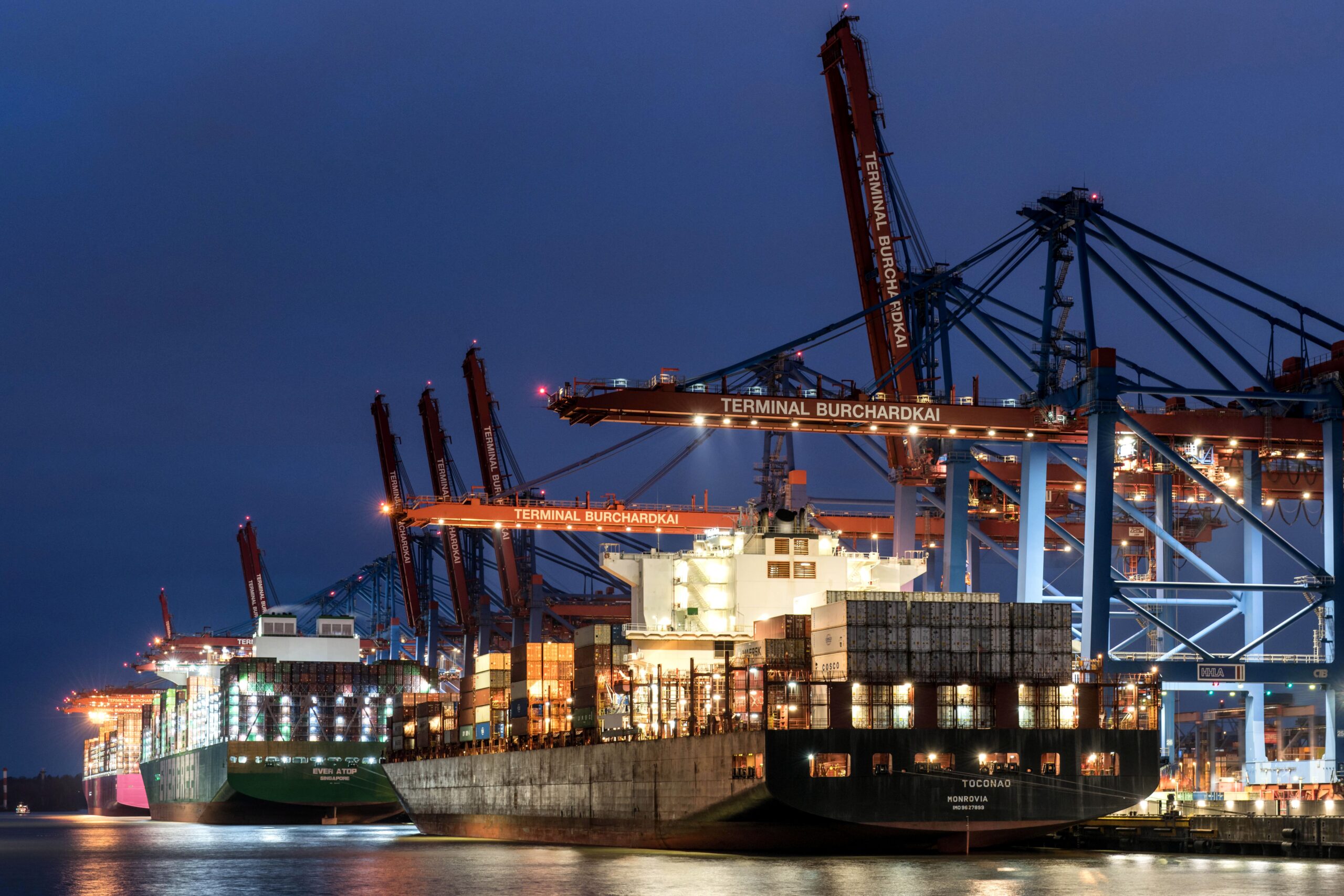
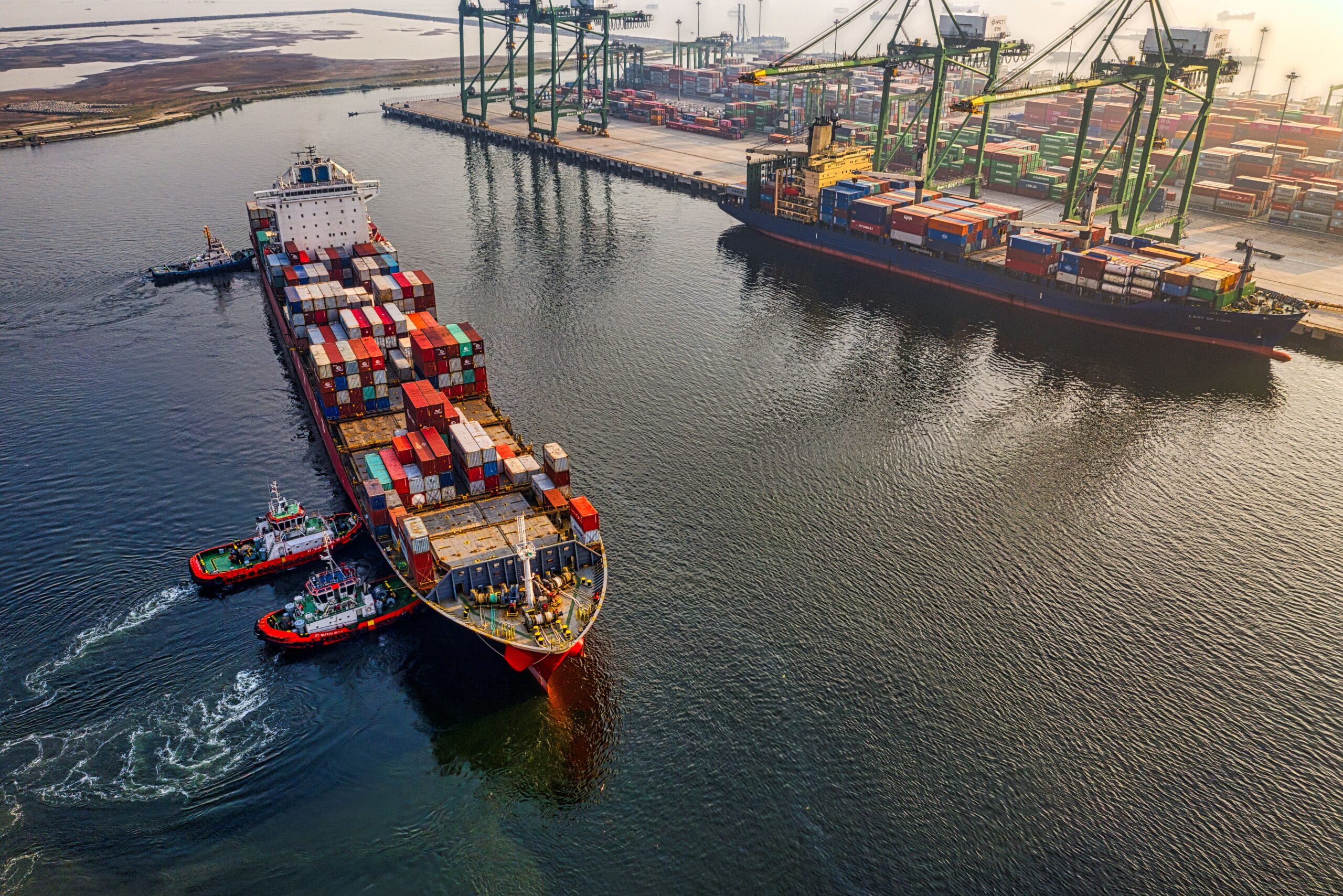
 When observing an imposing cargo ship sailing across the oceans, loaded with hundreds or even thousands of stacked containers, it is only natural to ask: how does this gigantic structure remain stable, even in the face of the most severe storms? The answer is not magic, but rather a combination of precise engineering, advanced technology, and rigorous safety standards that guarantee cargo integrity and vessel safety.
The complexity of cargo lashing
What appears to be a simple stacking of boxes is actually a meticulously planned securing system known as cargo lashing. This process involves utilizing various equipment and techniques to transform the stack of containers into a cohesive structure capable of resisting the dynamic forces of the sea.
Essential components of the securing system:
• Twistlocks: These are mechanical steel devices inserted into the corners of the containers, connecting them vertically and horizontally. They act as locks that prevent relative movement between containers, creating a rigid column.
• Lashing bars: These are steel bars that connect the containers to the ship's deck or to other containers, using turnbuckles to apply tension and ensure cargo firmness. There are short and long bars, depending on the height of the container stack.
• Lashing rods: Similar to lashing bars, these are used to secure containers, especially those on the upper tiers to the deck or securing structures.
• Stacking cones: Used to align and space the containers, ensuring that twistlocks can be properly inserted.
• Anchoring points (d-rings and lashing plates): Welded to the ship's deck, these serve as securing points for the lashing bars and rods.
International standards and regulations: the IMO CSS code
Safety in maritime cargo transport is governed by strict international standards, the main one being the Code of Safe Practice for Cargo Stowage and Securing (CSS Code), developed by the International Maritime Organization (IMO). This code provides essential guidelines to ensure that cargo stowage and lashing are performed in a way that does not jeopardize the ship, the crew, or the environment.
The CSS Code addresses several aspects, including:
• The need for the ship to be fit for its intended purpose.
• The provision of proper cargo securing gear.
• General guidance on stowage and securing to minimize risks.
• Specific advice for cargoes known to create difficulties or hazards.
• Actions to be taken in heavy seas.
• Procedures to remedy the effects of cargo shifting.
It is fundamental that lashing planning and execution are carried out by qualified and experienced professionals with a deep knowledge of the vessel's Cargo Securing Manual.
The importance of planning and execution
The cargo lashing process is not random. It involves detailed planning that considers cargo type, weight, dimensions, the ship’s route, and expected weather conditions. Weight distribution and the choice of lashing equipment are crucial to prevent containers from tipping or shifting, which could lead to severe accidents, financial losses, and environmental damage.
Companies like CBF Global understand the complexity and criticality of these processes. By managing every stage of multimodal transport from origin to destination, they ensure that cargo is protected through clear processes, cutting-edge technology, and maximum safety. This includes the correct application of securing systems and compliance with international regulations, providing total peace of mind to their clients.
Conclusion
Behind the apparent simplicity of containers stacked on a ship lies a sophisticated network of engineering and regulation. Twistlocks, lashing bars, and the IMO's rigorous CSS Code are just a few of the elements working together to ensure your cargo reaches its destination safely, even amidst the challenges of the high seas. It is proof that, in the world of logistics, innovation and safety go hand in hand.
Avoid mistakes when importing!
Having a specialized import consultancy can save you from many future risks. See what Genco Import & Export can do for you:
- Sourcing your product to find the best value for your product.
- Simulating all costs before you embark on this journey.
- Negotiating values with suppliers, freight forwarders, and customs brokers.
- Unifying all documents. Less headache for you!
- Closing the exchange rate for your process.
- Conducting inspections and issuing complete reports for your follow-up.
And much more!
Count on Genco for the best advisory for your imports.
Contact us and learn more about our services!