 English
  Português do Brasil
 Brazil, an agribusiness giant, is globally recognized as the largest producer and exporter of orange juice. However, a deeper analysis of the global scenario reveals a complex dynamic and a growing challenge for national citrus farming: the loss of ground in the fresh orange market, even as global consumption of this variety grows exponentially.
The global market shift: a preference for fresh fruit
Historically, Brazil concentrated its investments on highly productive orange varieties ideal for the juice industry. This strategy secured its leadership in the beverage sector but resulted in a neglect of the fresh fruit market.
Meanwhile, international consumers changed their habits, increasingly valuing in natura fruit—especially premium, seedless, sweeter, and easy-to-peel varieties like mandarins and tangerines.
Egypt as the new protagonist
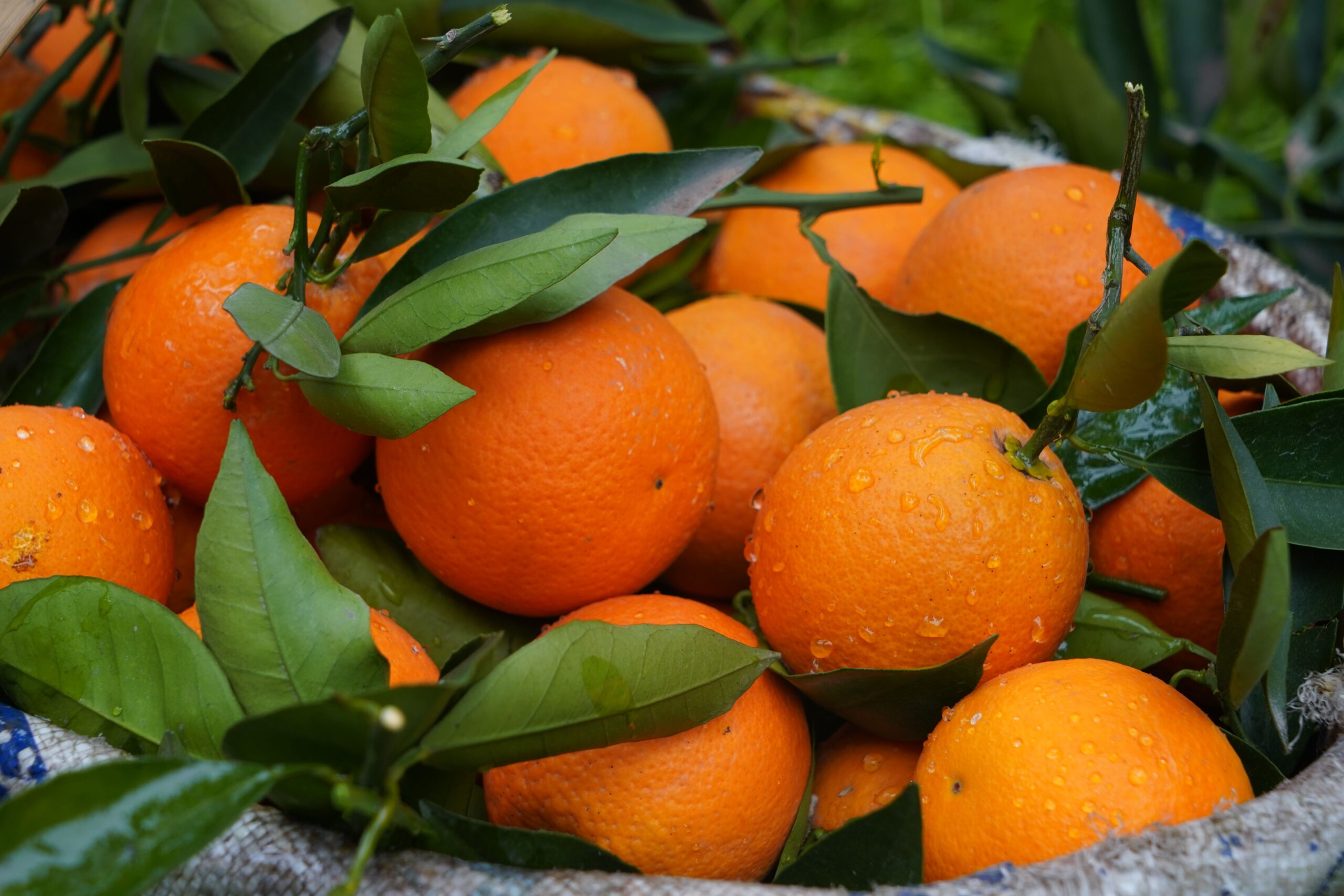
Egypt is a remarkable example of how adapting to market demands can transform a country into a global player. Around two decades ago, its share of the international orange trade was limited. Today, thanks to a favorable Mediterranean climate, lower production costs, government incentives, and easier access to major consumer markets, Egypt has become one of the world's largest exporters of fresh oranges.
The Contrast: Meanwhile, Brazil faces hurdles such as high financing costs, more expensive logistics, less efficient ports, and exchange rate fluctuations, which hinder its competitiveness in the fresh fruit export market.
The path to recovery: innovation and adaptation
Despite losing ground, experts believe Brazil still possesses great potential to reclaim the international table orange market. To achieve this, strategic investment across several fronts is essential:
• New varieties: Develop and cultivate orange varieties that meet the demands of international consumers, such as sweeter, seedless fruits with a better appearance.
• Trade agreements: Expand and strengthen trade agreements and phytosanitary protocols to facilitate access to new markets.
• Logistics modernization: Optimize the logistics chain, from production to export, to reduce costs and increase efficiency.
• Production adaptation: Adjust cultivation and harvesting practices to ensure fruit quality and coloration, especially in warmer regions where the peel tends to remain greener.
Genco and the future of the orange trade
For companies like Genco Import & Export, which specialize in import and export consulting, understanding these trends is crucial. With its expertise in global sourcing and foreign trade, Genco can play a fundamental role in helping Brazilian producers identify opportunities, negotiate with international markets, and adapt their strategies to meet global demands. Diversification and the pursuit of new markets are essential for the sustainable growth of Brazilian agribusiness.
The global citrus landscape is constantly evolving. Brazil has the opportunity to reassess its priorities and invest in innovation and adaptation to ensure that Brazilian oranges—both as juice and fresh fruit—continue to shine in world trade.
Avoid mistakes when importing!
Having a specialized import consultancy can save you from many future risks. See what Genco Import & Export can do for you:
- Sourcing your product to find the best value for your product.
- Simulating all costs before you embark on this journey.
- Negotiating values with suppliers, freight forwarders, and customs brokers.
- Unifying all documents. Less headache for you!
- Closing the exchange rate for your process.
- Conducting inspections and issuing complete reports for your follow-up.
And much more!
Count on Genco for the best advisory for your imports.
Fale conosco e saiba mais