 English
  Português do Brasil
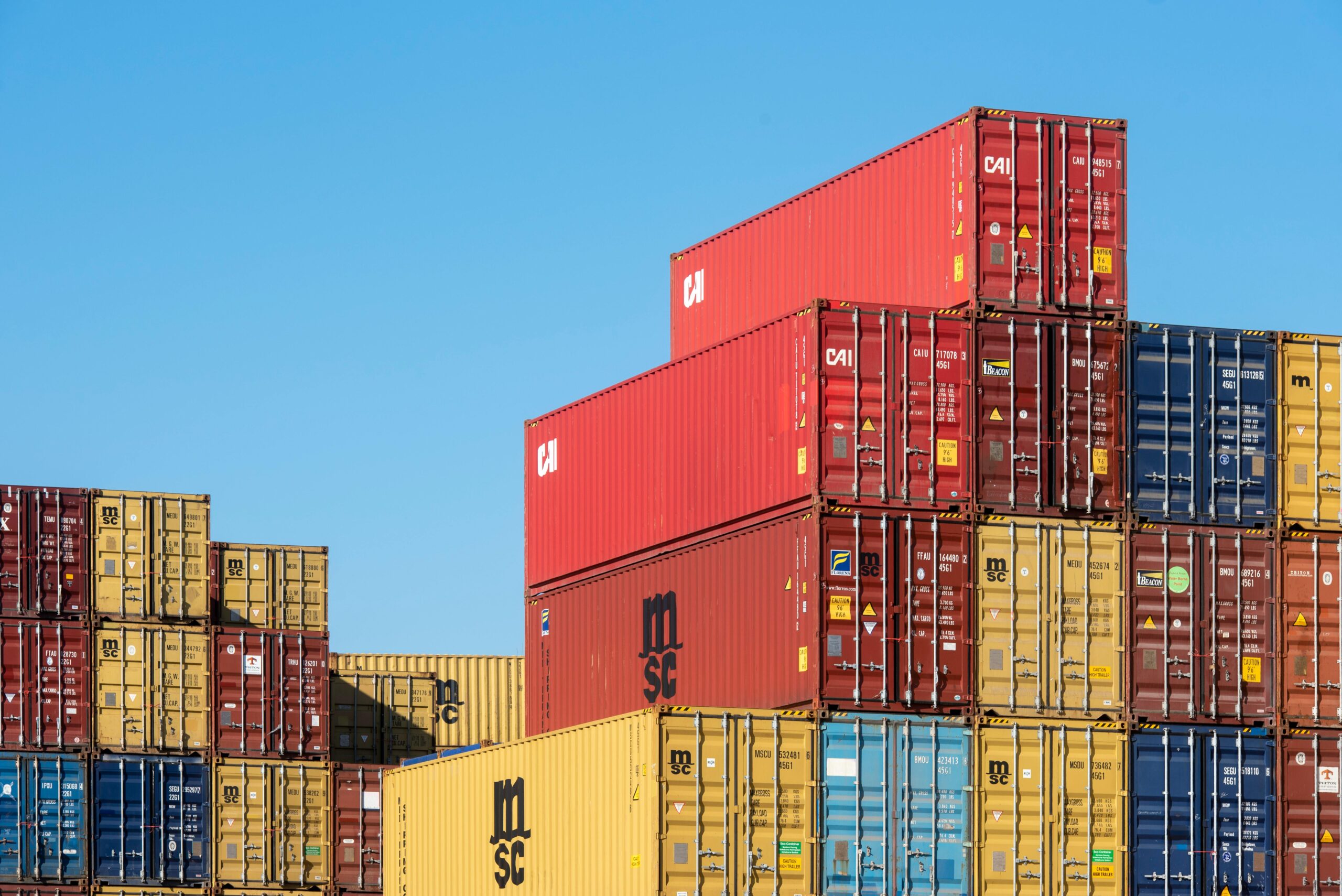
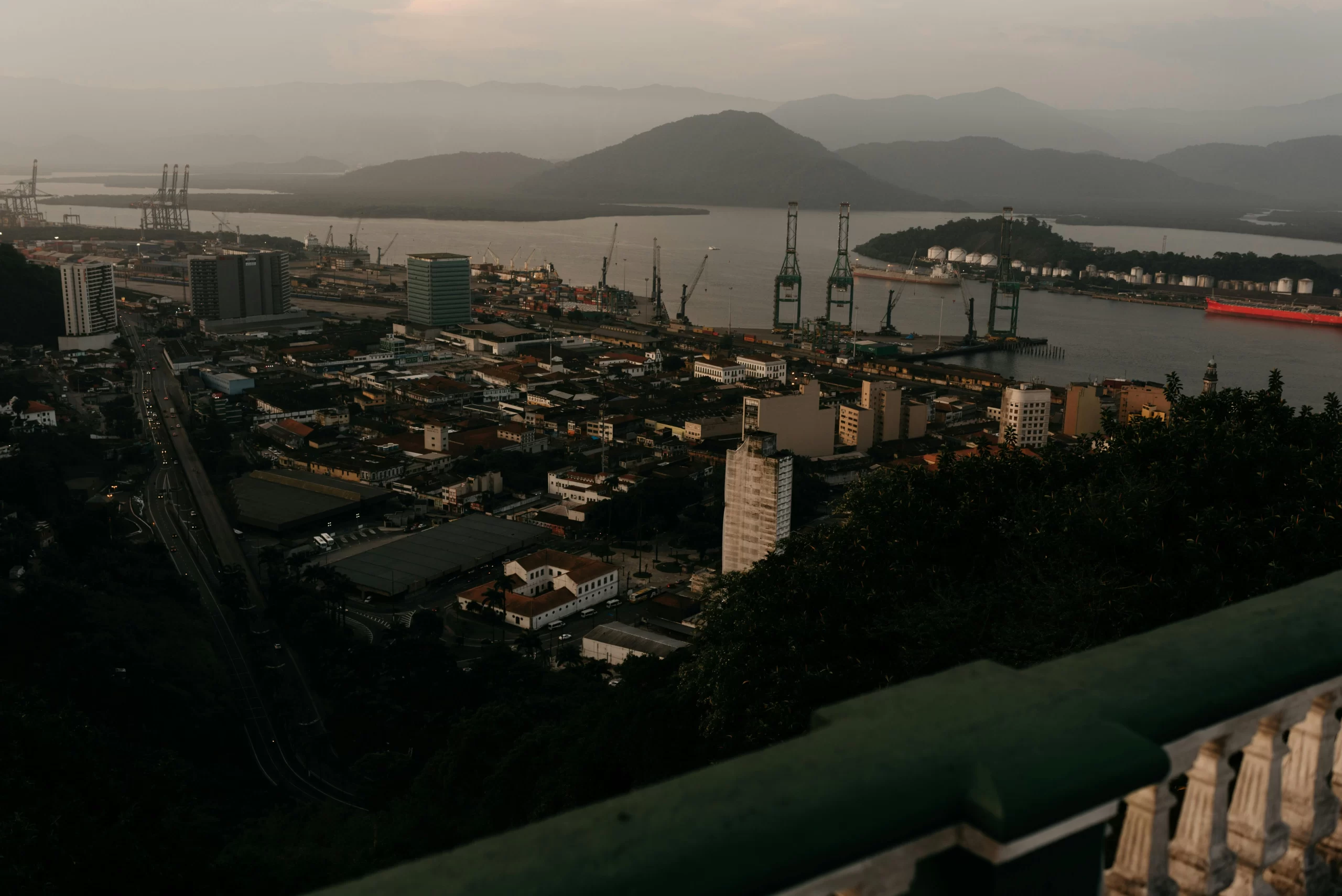
 The Port of Santos, the largest port complex in Latin America, has seen its container shipping market increasingly concentrate in the hands of a few global players. Currently, four major European companies—MSC (Switzerland), Maersk (Denmark), CMA CGM (France), and Hapag-Lloyd (Germany)—already account for 80% of all container movement entering and leaving the port in São Paulo.
This advancement is significant; in just one year, the share of the so-called "big four" was 72%, according to data from Datamar, a platform specializing in port and foreign trade statistics. During the same period, the participation of other shipping lines fell from 28% to 20%, affecting large Asian companies such as Cosco (China), One (Japan), and Evergreen (Taiwan).
European predominance and impact on competition
Sector sources state that the growing presence of European companies has made it difficult for Asian shipping lines to access the Port of Santos, reducing competitiveness in container operations. This concentration is directly linked to the structure of the local terminals.
Currently, the port has three main terminals:
• BTP (Brasil Terminal Portuário): Controlled by MSC and Maersk;
• Santos Brasil: Whose control was acquired by CMA CGM in 2024;
• DP World Santos: Of Emirati origin, which maintains an operational agreement with Maersk.
Additionally, Maersk established a global route-sharing partnership for container shipping last year, further reinforcing its international presence, although the agreement does not involve Latin America.
New terminal promises to expand capacity
While the sector discusses market concentration, the federal government is preparing to auction Tecon 10, Santos's new super container terminal. The project is expected to attract over R$ 6 billion in investments and promises to increase the port's current handling capacity by 50%.
The concession model is still under review by the Federal Court of Accounts (TCU), and the auction is expected to occur by December. However, there are disagreements among public bodies regarding the rules of the dispute.
Regulatory dispute and the future of competition
The National Waterway Transportation Agency (Antaq) and the Ministry of Ports and Airports (MPor) advocate for a two-stage auction model, initially restricting the participation of operators already established in Santos. If there are no interested parties, the dispute would be reopened with the condition that if one of the current concessionaires wins, it must divest its assets in the port.
On the other hand, the Secretariat of Economic Monitoring and Regulation (Seae), linked to the Ministry of Finance, and the technical team of the TCU support a single-stage competition, allowing everyone to participate from the start, with mandatory divestment only if an incumbent operator wins.
Proponents of more restrictive rules argue that, given the high concentration of European shipping lines, it is essential to attract new independent operators to preserve competitiveness and ensure greater balance in terminal usage.
With Tecon 10, the Port of Santos is preparing for a new phase of expansion, and the way the auction is conducted could define the direction of competition and the future of Brazilian port logistics in the coming years.
Avoid mistakes when importing!
Having a specialized import consultancy can save you from many future risks. See what Genco Import & Export can do for you:
- Sourcing your product to find the best value for your product.
- Simulating all costs before you embark on this journey.
- Negotiating values with suppliers, freight forwarders, and customs brokers.
- Unifying all documents. Less headache for you!
- Closing the exchange rate for your process.
- Conducting inspections and issuing complete reports for your follow-up.
And much more!
Count on Genco for the best advisory for your imports.
Contact us and learn more about our services!