 English
  Português do Brasil
 The foreign trade calendar is marked by cycles, and between May and August, one of the most challenging periods for importers begins: Peak Season. This global phenomenon, intensified along import routes originating from China, demands strategic planning and agility to ensure that goods reach their destination without significant setbacks.
What is Peak Season and why does It happen?
Peak Season is a period of exponential growth in demand for production and logistics capacity within the international market. Its primary driver is global preparation for the major commercial dates of the second half of the year, which boost worldwide consumption. Events such as Black Friday, Christmas, strategic inventory replenishment, and the launch of new collections and seasonal campaigns trigger a rush for products, especially those manufactured in Asia.
In 2026, factors such as the continuous growth of cross-border e-commerce and early inventory stocking by retailers and distributors have contributed to even greater pressure on the global supply chain.
The impacts of Peak Season on your import operations
During Peak Season, the balance between supply and demand is drastically altered, resulting in a series of challenges that can directly impact the cost, transit time, and predictability of your imports:
• Surging international freight costs: Increased demand for space on vessels and aircraft naturally drives prices up. In May/June 2026, the China-to-Brazil route is already seeing ocean freight rates near USD 5,000 per container (Base Port), and the air freight sector is also facing upward pressure. Additionally, the application of a Peak Season Surcharge (PSS) is common.
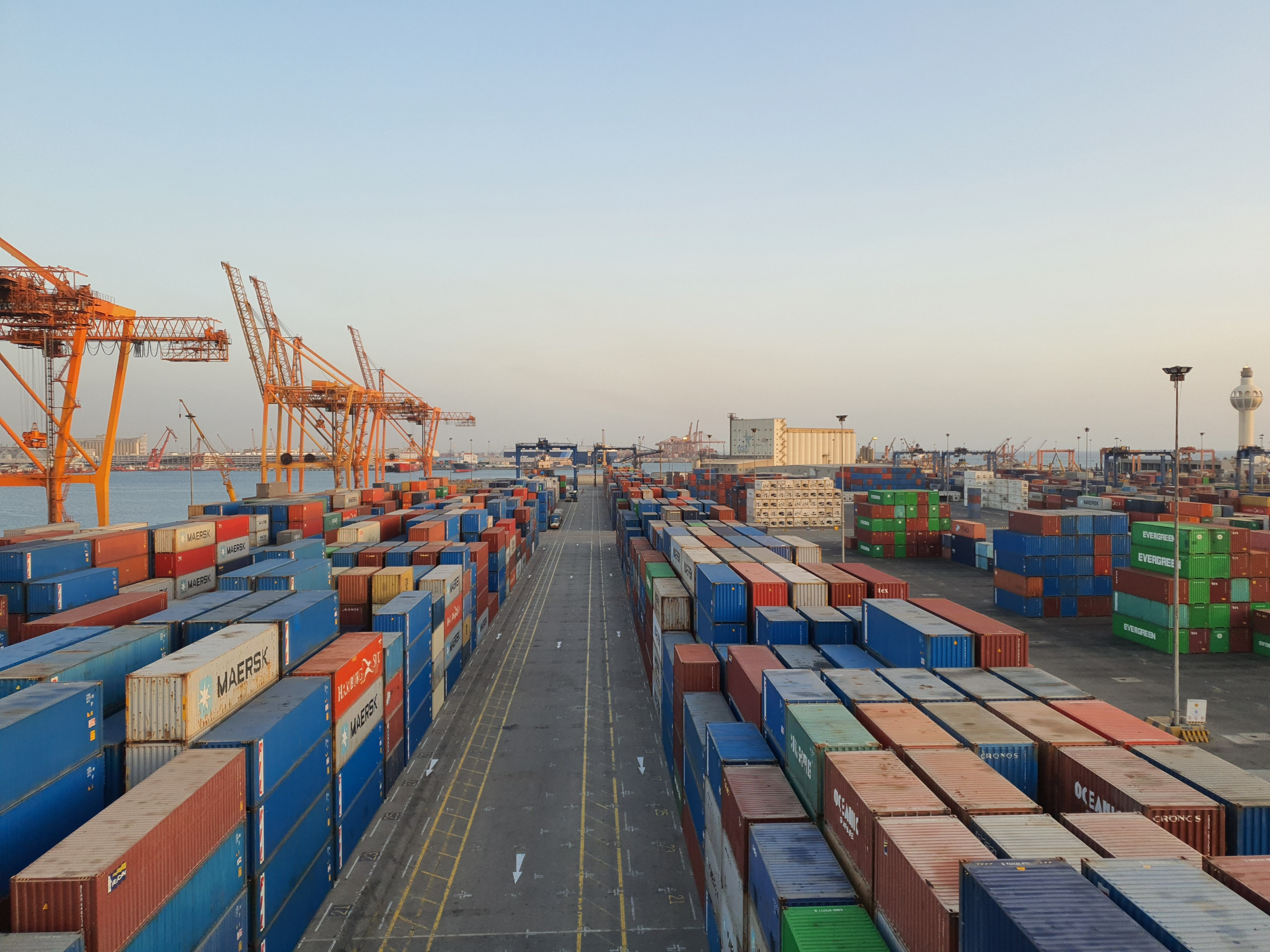
• Shortage of space and equipment: Shipping capacity becomes a scarce resource. The availability of containers and vessel space is reduced, and the occurrence of blank sailings (canceled port calls) can worsen the situation, forcing cargo rescheduling and causing delays.
• Port and airport congestion: O volume elevado de cargas pode gerar congestionamentos significativos nos portos de origem (China) e destino (Brasil), bem como nos portos de transbordo. Isso resulta em atrasos nas operações de embarque, desembarque e liberação aduaneira.
• Extended production and shipping lead times: With demand at a peak, suppliers and logistics operators in China may require more time to process orders and execute shipments, impacting the total lead time of your import.
Strategies to successfully navigate Peak Season 2026
To mitigate these challenges and ensure maximum predictability and efficiency in your operations, adopting a proactive and strategic approach is essential:
• Anticipation is key: Plan your orders and production approvals much further in advance. A 4 to 6-month planning window is recommended to ensure you have sufficient stock for the end of the year. This allows suppliers to organize their production lines and ensures shipments are scheduled before peak demand hits.
• Advance shipment booking: Reserve space on vessels or aircraft well ahead of time. Work closely with your freight forwarder to secure space allocation and avoid last-minute bidding wars, which invariably result in higher costs and a greater risk of delays.
• Constant communication with your logistics partner: Keep your import team and freight forwarder (such as Genco Import & Export) informed about your purchase forecasts and logistics needs. An experienced partner can provide valuable insights and find the best solutions, even in adverse scenarios.
• Flexibility and alternatives: Be open to considering alternative transport modes or routes if urgency justifies it. In some cases, multimodal solutions or using air freight can be a viable alternative—albeit costlier—to guarantee delivery within critical deadlines.
• Review of contracts and incoterms: Verify your contracts with suppliers and the agreed-upon Incoterms. Clearly understanding each party's responsibilities can prevent surprises and additional costs during this high-pressure period.
The role of a strategic partner like Genco Import & Export
Navigating the complexities of Peak Season requires more than just knowledge; it demands experience and a solid network of contacts. Genco Import & Export is fully available to act as your strategic partner, offering:
• Market intelligence: Continuous monitoring of freight trends and capacity to provide up-to-date information.
• Customized planning: Development of logistics strategies tailored to your specific needs and cargo profile.
• Cost and lead time optimization: Searching for the best alternatives to balance cost, transit time, and operational safety, even in high-demand scenarios.
• Continuous support: A dedicated team to manage every stage of the process, from origin to final delivery.
Conclusion
Peak Season is a recurring challenge in foreign trade, but it does not have to be an insurmountable obstacle. With early planning, effective communication, and the support of an experienced logistics partner, it is possible to transform this high-demand period into an opportunity to strengthen your supply chain and ensure the success of your operations. Count on Genco Import & Export to navigate this critical period safely and efficiently.
Avoid mistakes when importing!
Having a specialized import consultancy can save you from many future risks. See what Genco Import & Export can do for you:
- Sourcing your product to find the best value for your product.
- Simulating all costs before you embark on this journey.
- Negotiating values with suppliers, freight forwarders, and customs brokers.
- Unifying all documents. Less headache for you!
- Closing the exchange rate for your process.
- Conducting inspections and issuing complete reports for your follow-up.
And much more!
Count on Genco for the best advisory for your imports.
Contact us and learn more about our services!