 English
  Português do Brasil
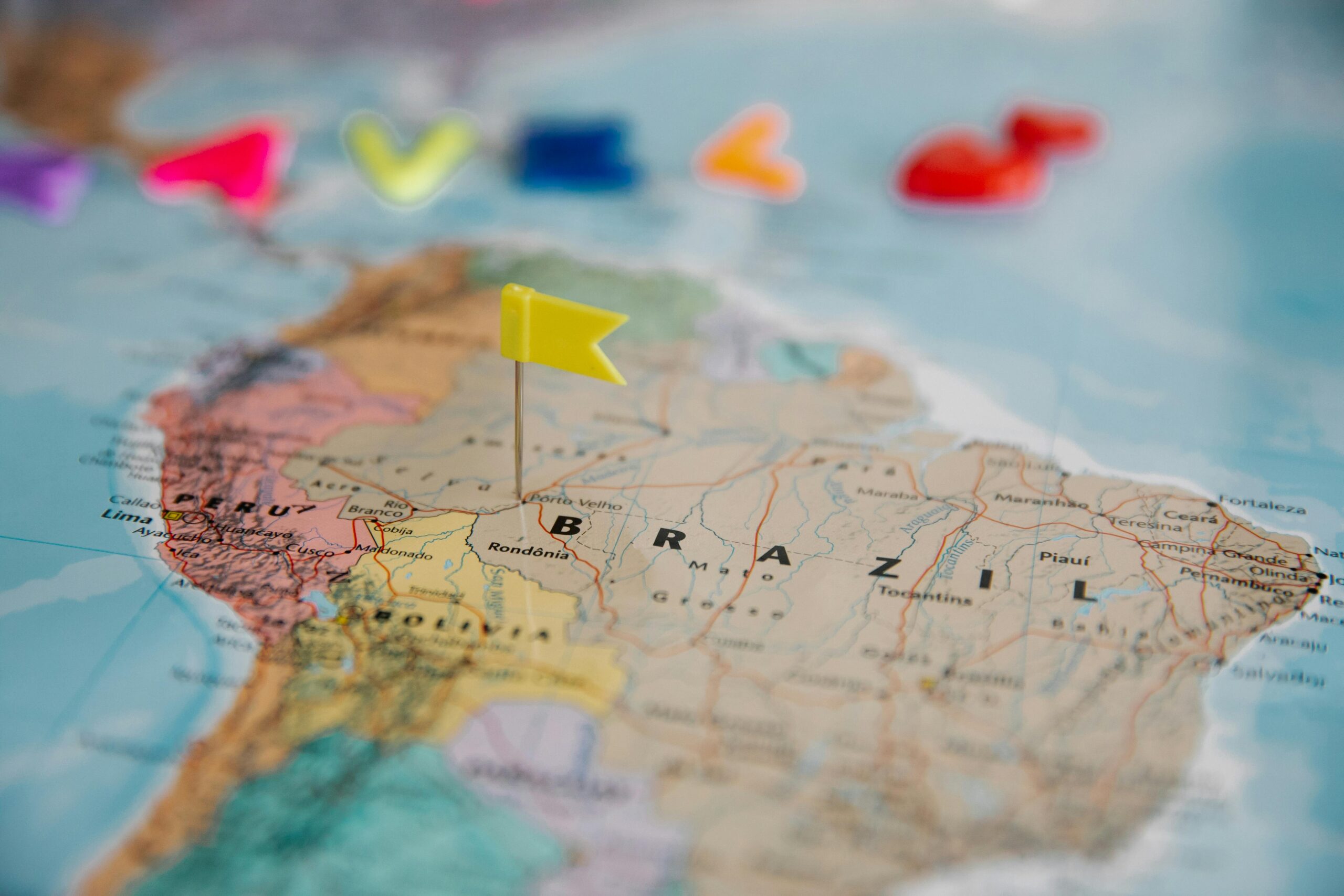
 The landscape of Brazilian exports in 2025 reveals a reality that transcends common perception: Brazil is not merely a major exporter, but a geoeconomic powerhouse built on real and diversified resources. An in-depth analysis of foreign trade data unveils the complexity and robustness of the national economy, highlighting the strategic role of states such as Mato Grosso.
The map of Brazilian exports in 2025
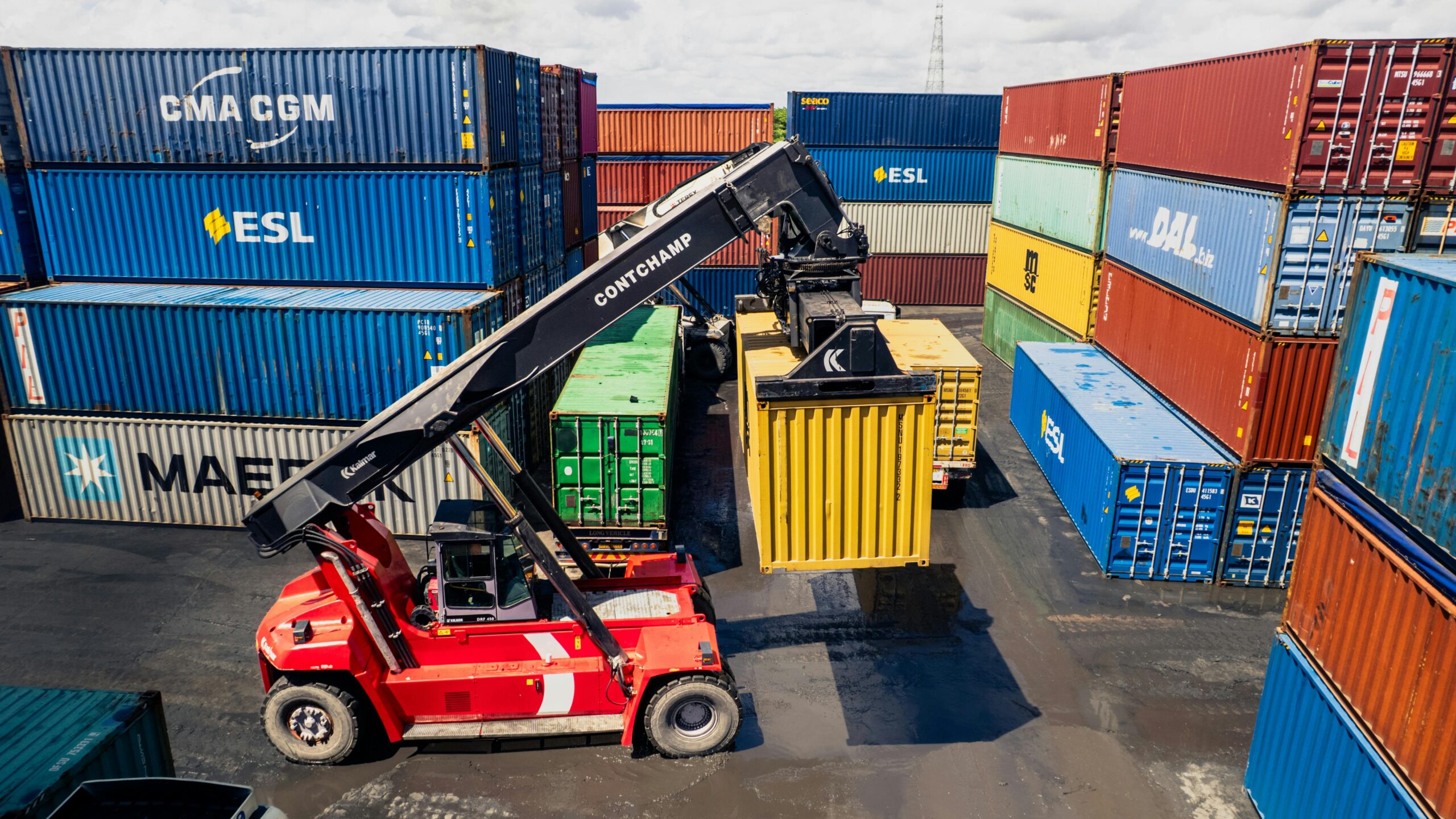
In 2025, Brazilian exports reached a historic record of US$ 348.7 billion, surpassing the 2023 results by US$ 9 billion. This remarkable performance occurred within a challenging international context, demonstrating the country's resilience and productive capacity. Export volume grew by 5.7% compared to 2024—more than double the global growth projection set by the World Trade Organization (WTO) for the year.
The Brazilian trade balance recorded a surplus of US$ 68.3 billion, and the total trade flow reached US$ 629.1 billion, the highest marks since the beginning of the historical series in 1989.
Mato Grosso: The epicenter of national export strength
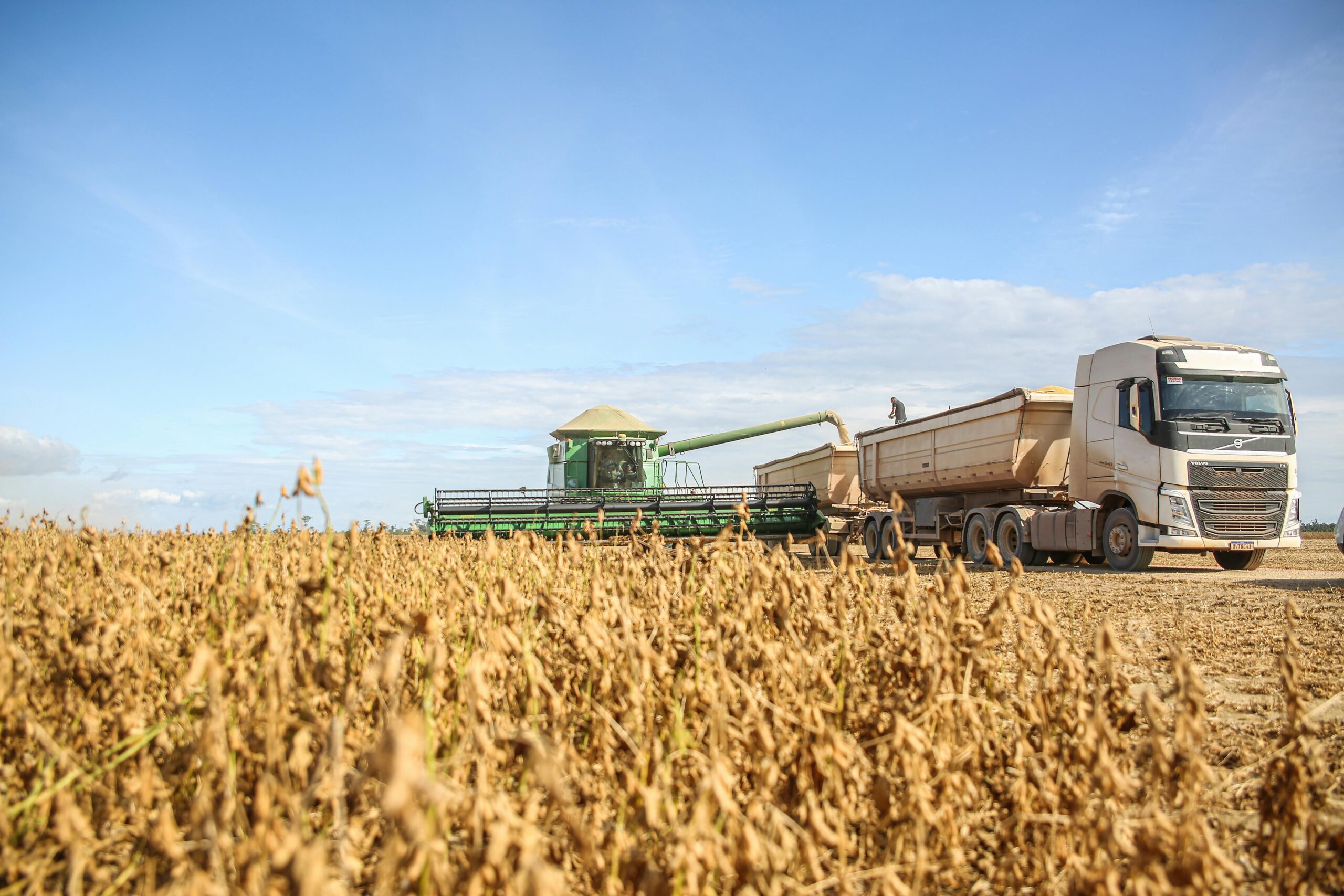
When examining the Top 20 Brazilian exports in 2025, one fact stands out: the state of Mato Grosso alone leads the export of six of the country's main products. This leadership encompasses essential commodities for the global market:
• Soybeans;
• Beef;
• Corn;
• Soybean Meal;
• Soybean Oil;
• Cotton.
This concentration of leadership means that a single Brazilian state holds primacy over 30% of the national strategic export agenda. Behind these production and export chains are some of the largest global and national agribusiness groups, such as Amaggi, SLC Agrícola S/A, Bom Futuro, Cargill, Bunge, Louis Dreyfus Company, JBS, and Minerva Foods. The operations of these companies are fundamental to maintaining the competitiveness and volume of Mato Grosso's exports.
Agribusiness as a pillar of the trade balance
Although agribusiness is sometimes perceived as a traditional sector, its contribution to the Brazilian economy is undeniable and growing. In 2025, the sector was responsible for approximately 48.5% of Brazilian exports. Of the 20 largest items exported by the country, more than half originate directly or indirectly from "Agro," including products such as soybeans, meats, coffee, corn, sugar, cotton, pulp, and wood and its derivatives.
This performance underlines the importance of agribusiness not only as an economic engine but as a pillar that sustains the physical base of the Brazilian trade balance.
Beyond agro: The diversity of the Brazilian export agenda
A deeper reading of the data reveals that Brazil's export strength goes beyond agribusiness. The country exports a rare and strategic combination of:
• Food;
• Energy (notably Crude Oil and Refined Fuels);
• Mining (Iron Ore, other ores like Nickel/Copper, and Gold);
• High-Complexity Industry (Aircraft, Organic Chemicals);
• Forest-Based Industry (Pulp, Wood/Forest Products).
This diversity is a global competitive advantage. Few countries in the world possess such a comprehensive export matrix, combining abundant natural resources with industrial and technological capacity. Manufacturing exports, for example, grew 3.8% in value in 2025, reaching US$ 189 billion, with records in beef, pork, alumina, and motor vehicles. The extractive industry also recorded an 8% increase in exported volume, with records in iron ore and petroleum.
Brazil: An Underrated Economy with Real Assets
Despite its evident export strength and the diversity of its assets, Brazil is often treated in public debate as a peripheral economy. However, the reality is different. The country brings together:
• One of the largest agricultural frontiers in the world;
• A competitive energy matrix in transition;
• Strategic mineral reserves;
• Relevant industrial capacity;
• Global leadership in tropical productivity.
These are the real assets that grant Brazil a prominent position in the global geoeconomic landscape. Those who understand geopolitics, food security, and the dynamics of global supply chains know that control over the production of food, fiber, and energy translates into influence and power.
From potential to execution: The future challenge
What the 2025 export map demonstrates is that Brazil is already a structural export powerhouse. The central issue no longer lies in potential, but in execution. The question for the coming years is not whether Brazil will be relevant, but whether the country can transform this intrinsic productive strength into proportional economic power on the global stage.
It is essential that Brazil properly leverages its strategic position, seeking to add value to its products, further diversify its markets, and strengthen its production chains. Only then will it be possible to fully capture the value the country produces and consolidate its influence as a first-tier geoeconomic actor.
Avoid mistakes when importing!
Having a specialized import consultancy can save you from many future risks. See what Genco Import & Export can do for you:
- Sourcing your product to find the best value for your product.
- Simulating all costs before you embark on this journey.
- Negotiating values with suppliers, freight forwarders, and customs brokers.
- Unifying all documents. Less headache for you!
- Closing the exchange rate for your process.
- Conducting inspections and issuing complete reports for your follow-up.
And much more!
Count on Genco for the best advisory for your imports.
Contact us and learn more about our services!