 English
  Português do Brasil
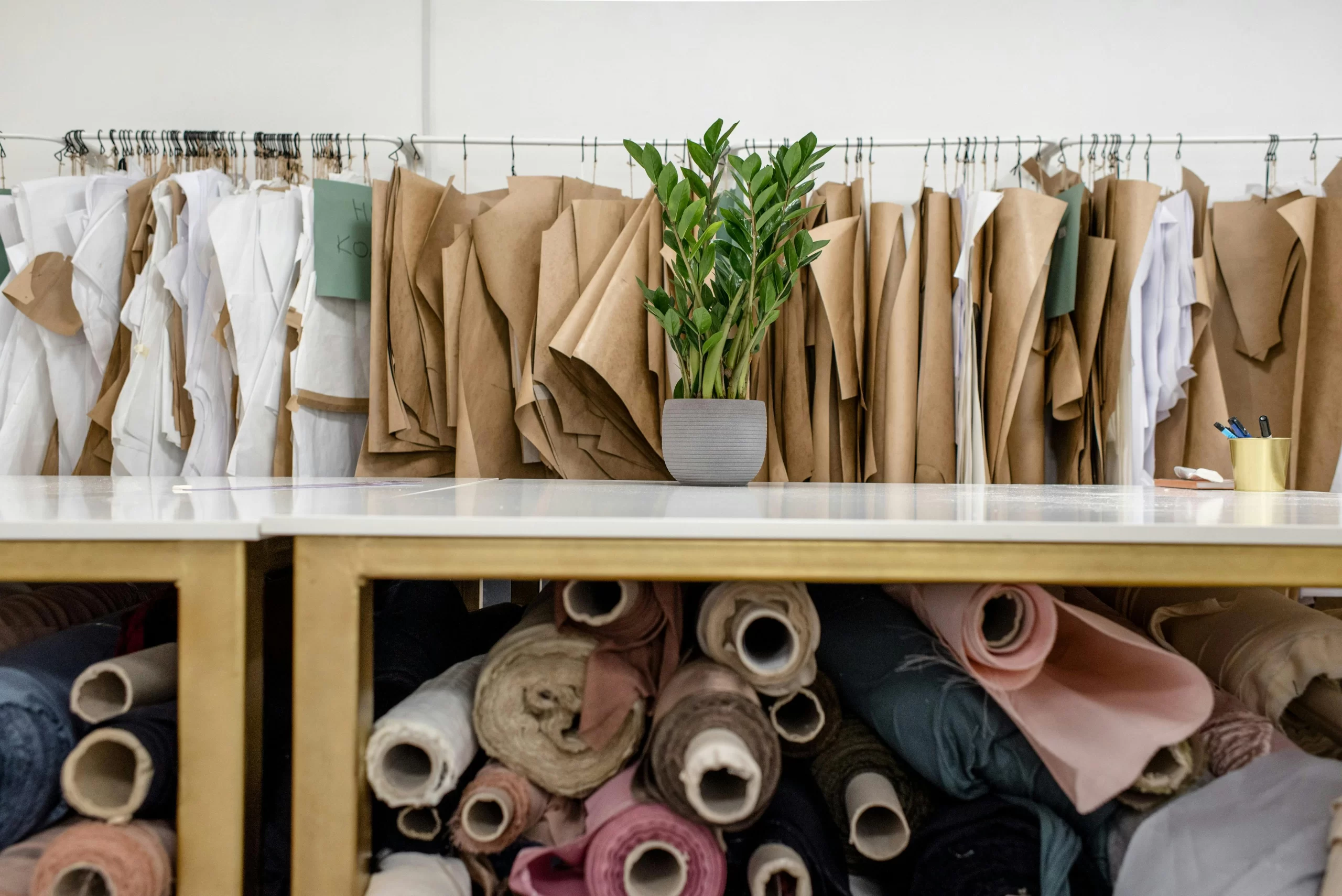
 Brazil holds a prominent position in apparel consumption among emerging economies. Currently, it trails only Russia, India, and China in spending on clothing, which shows the strength and potential of this market.
According to the Brazilian Association of the Textile and Apparel Industry (Abit), the sector generated R$203.9 billion in 2024. One of the country's key advantages is its complete textile supply chain, from spinning and weaving to manufacturing and retail. It is also a global leader in niches such as beachwear and jeanswear.
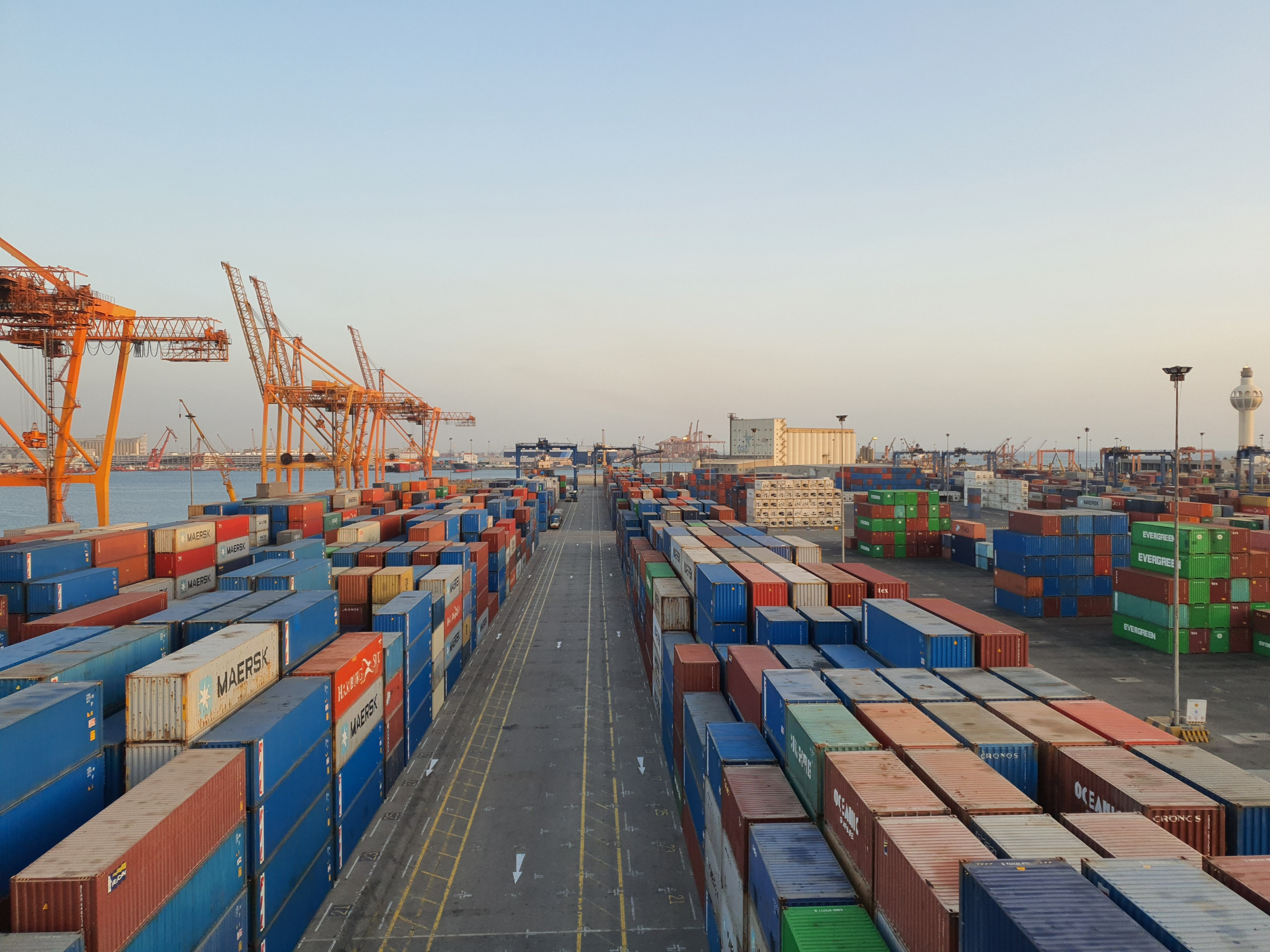
International trade plays a strategic role in this landscape. On one hand, it gives Brazilian consumers access to global products, different brands, and new trends. On the other hand, it allows domestic companies to enter new markets and expand their businesses beyond their borders.
The global fashion market
According to consulting firm Mordor Intelligence, the global apparel market is valued at approximately US$ 1.36 trillion,with an expected increase to US$ 1.78 trillion by 2029. This growth is driven by several factors, including:
• The expansion of e-commerce, which removes geographical barriers;
• More women entering the workforce, increasing the demand for fashion and apparel;
• The diversification of styles and faster consumption of trends.
Europe is home to large, established brands and groups, while Asia stands out with the highest growth rates, driven by large-scale production and increased local consumption.
In Brazil, the textile and apparel sector reinforces its importance by combining robust domestic production with growing international presence. It is the second-largest employer in the manufacturing industry, behind only food and beverages.
Brazilian apparel exports
In the first half of 2025, Brazil exported US$105.82 million in apparel and accessories, a 7.21% increase compared to the same period in 2024.
The main items sold abroad were:
• Pants, overalls, Bermuda shorts, and shorts made of synthetic fibers (for women);
• Cotton knit T-shirts;
• Knit T-shirts made of other textile fibers;
• Women’s intimate wear;
• Beachwear (swimsuits and bikinis).
The primary destinations were Paraguay, Uruguay, the United States, Argentina, and Chile.
Brazilian apparel imports
During the same period in 2025, Brazil imported US$1.37 billion worth of clothing and accessories, a 10.3% increase over 2024.
• Sweaters, cardigans, and similar items made of synthetic fibers;
• Cotton T-shirts;
• Apparel and accessories made of rubber for medical and dental use;
• Vulcanized rubber gloves;
• Men's overcoats and jackets made of synthetic fibers.
China accounts for more than half of these imports (53%), followed by Bangladesh, Vietnam, Paraguay, and Thailand.
Essential considerations for importing and exporting textile products
Anyone working in the sector must be aware of regulatory requirements. In Brazil, Ordinance Inmetro No. 118/2021 establishes the Mercosur Technical Regulation on the Labeling of Textile Products.
Mandatory information on labels includes:
• Name or corporate name and tax ID of the manufacturer/importer;
• Country of origin (“Made in…”);
• Product composition (percentage of fibers/filaments);
• Care instructions;
• Size or dimension.
It's important to note that textile products do not require Inmetro registration to be sold in Brazil. When exporting, each country has its own rules, and the exporter must adapt labels and information to the destination's language and legislation.
Conclusion
Brazil's fashion sector has competitive potential in both the domestic and international markets. The combination of a complete production chain, a dynamic retail environment, and increasing integration with international trade enhances opportunities for companies looking to expand.
Those who can align their commercial strategy with regulatory compliance and innovation will have an advantage in a market that continues to grow globally.
Avoid mistakes when importing!
Having a specialized import consultancy can save you from many future risks. See what Genco Import & Export can do for you:
- Sourcing your product to find the best value for your product.
- Simulating all costs before you embark on this journey.
- Negotiating values with suppliers, freight forwarders, and customs brokers.
- Unifying all documents. Less headache for you!
- Closing the exchange rate for your process.
- Conducting inspections and issuing complete reports for your follow-up.
And much more!
Count on Genco for the best advisory for your imports.
Contact us and learn more about our services!