 English
 Português do Brasil
One of the most recurring questions for those venturing into foreign trade is understanding how long an import process takes. The answer, however, is not linear: the total import time is multifaceted, influenced by variables such as the country of origin, the type of goods, the chosen mode of transport, supplier availability, and, crucially, the customs clearance process in Brazil. Understanding each stage is essential for effective planning in order to avoid stockouts and mitigate the impact of unexpected delays.
The crucial phases of an import
The import process is a journey that begins long before the shipment of the goods. Each phase has its own characteristics and deadlines that, together, make up the total operational lead time.
1. Negotiation and goods production/pick & pack
The first stage involves negotiating with the international supplier. At this point, aspects such as price, quantity, product specifications, payment terms, and the applicable Incoterm (International Commercial Terms) are defined. After negotiation, the supplier begins manufacturing or pulling the products from stock. This phase can range from a few days to several weeks, depending on the complexity of the goods and the supplier's production capacity (custom-made products, for example, require more time).
2. Document preparation
Concurrently with production, organizing the operation's documentation is a critical step. Documents such as the Commercial Invoice, Packing List, and Bill of Lading (or Air Waybill) must contain consistent and compatible information. Minor discrepancies can cause significant delays in customs clearance when the cargo arrives in Brazil. A thorough review of all documentation prior to shipment is a practice that must not be neglected.
3. International transport
Once shipped, international transport begins, the timeframe of which is determined primarily by the chosen transport mode:
• Air Freight: Generally faster, ideal for urgent or high-value cargo.
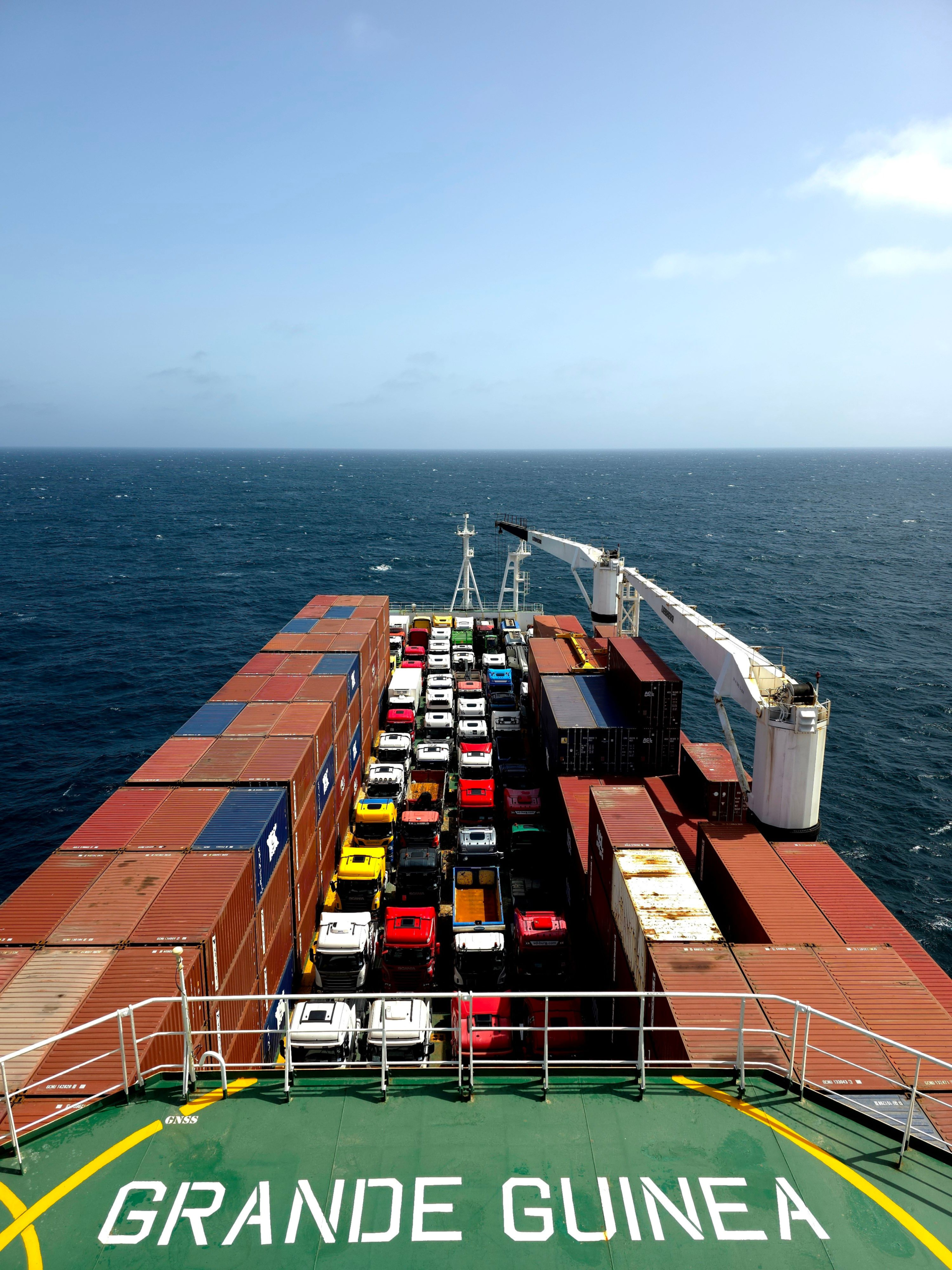
• Ocean freight: More cost-effective for large volumes, but with longer transit times. Factors such as layovers, weather conditions, port congestion, and shipping line operational adjustments can impact the schedule.
4. Customs clearance in Brazil
The arrival of cargo in Brazil does not mean immediate release. The goods must undergo customs clearance, where regulatory bodies review documents, tax classifications, duties, and product-specific requirements. Physical inspections or requests for supplementary information may occur. Document consistency speeds up the process, whereas inconsistencies can prolong release times.
5. Special authorizations
Certain products are subject to control by regulatory agencies such as Anvisa, the Ministry of Agriculture and Livestock (MAPA), Inmetro, Ibama, or the Brazilian Army. In these cases, the import timeframe may be extended by the time required to obtain the licenses mandated by law. Knowing the requirements applicable to your product in advance is crucial to avoiding surprises.
6. Inland transportation
Following customs release, the final stage is transport to the importing company's destination. The distance from the arrival port or airport to the delivery site must be factored into planning, as ignoring this lead time can lead to production delays or missed customer delivery dates.
Factors that can delay an import
Several factors can negatively impact import lead times:
• Documentation containing errors or discrepancies.
• Incorrect tax classification (HS Code) of the goods.
• Unforeseen requirements for specific licenses or permits.
• Production delays on the supplier's end.
• Port and airport congestion.
• Adverse weather conditions.
• Changes in international routes.
• Inspections during customs clearance.
Many of these risks can be mitigated through robust planning and continuous tracking across all operational stages.
Strategies to reduce import lead times
Although external factors are beyond control, several best practices can optimize the process:
• Choose reliable suppliers: Solid partnerships minimize delays in production and documentation.
• Rigorous document review: Verify all paperwork prior to shipment to avoid inconsistencies.
• Correct goods classification: Ensure proper HS/NCM code classification to prevent customs issues.
• Advance planning: Anticipate purchases and every step of the process.
• Constant tracking: Monitor the progress of the operation through every phase.
• Specialized consulting: Rely on experienced foreign trade professionals for guidance and support.
Conclusion
A successful import operation is not just about finding a good supplier or negotiating a competitive price. It demands organization, in-depth knowledge of the stages involved, and strategic planning to handle the variables inherent to international trade. The earlier the operation is structured and monitored, the higher the chances of meeting deadlines, reducing costs, and ensuring supply chain continuity—ultimately strengthening your company's competitiveness in the global market.
Avoid mistakes when importing!
Having a specialized import consultancy can save you from many future risks. See what Genco Import & Export can do for you:
- Sourcing your product to find the best value for your product.
- Simulating all costs before you embark on this journey.
- Negotiating values with suppliers, freight forwarders, and customs brokers.
- Unifying all documents. Less headache for you!
- Closing the exchange rate for your process.
- Conducting inspections and issuing complete reports for your follow-up.
And much more!
Count on Genco for the best advisory for your imports.
Contact us and learn more about our services!