
 English
  Português do Brasil
 In the complex landscape of foreign trade, logistical efficiency is a fundamental pillar for the success of both importers and exporters. Two types of terminals play crucial roles in this ecosystem: Seaports and Dry Ports, also known as Inland Customs Stations (or EADIs, their Portuguese acronym). Although distinct in their location and operation, both are complementary and essential to the fluidity of global and national supply chains.
Seaport: The Global Gateway
The Seaport is the traditionally recognized terminal, located on the coast within a "primary zone." Its main function is to serve as an arrival and departure point for ships transporting international cargo. It is Brazil’s direct link to global maritime routes, characterized by:
• Strategic Location: Positioned in coastal areas, facilitating direct access to the ocean.
• High-Volume Handling: Capacity to receive and ship a massive volume of containers and other cargo, acting as the primary hub for international trade via the waterway modal.
• Global Connectivity: Establishes direct links with world markets, vital for importing raw materials and exporting manufactured and agricultural products.
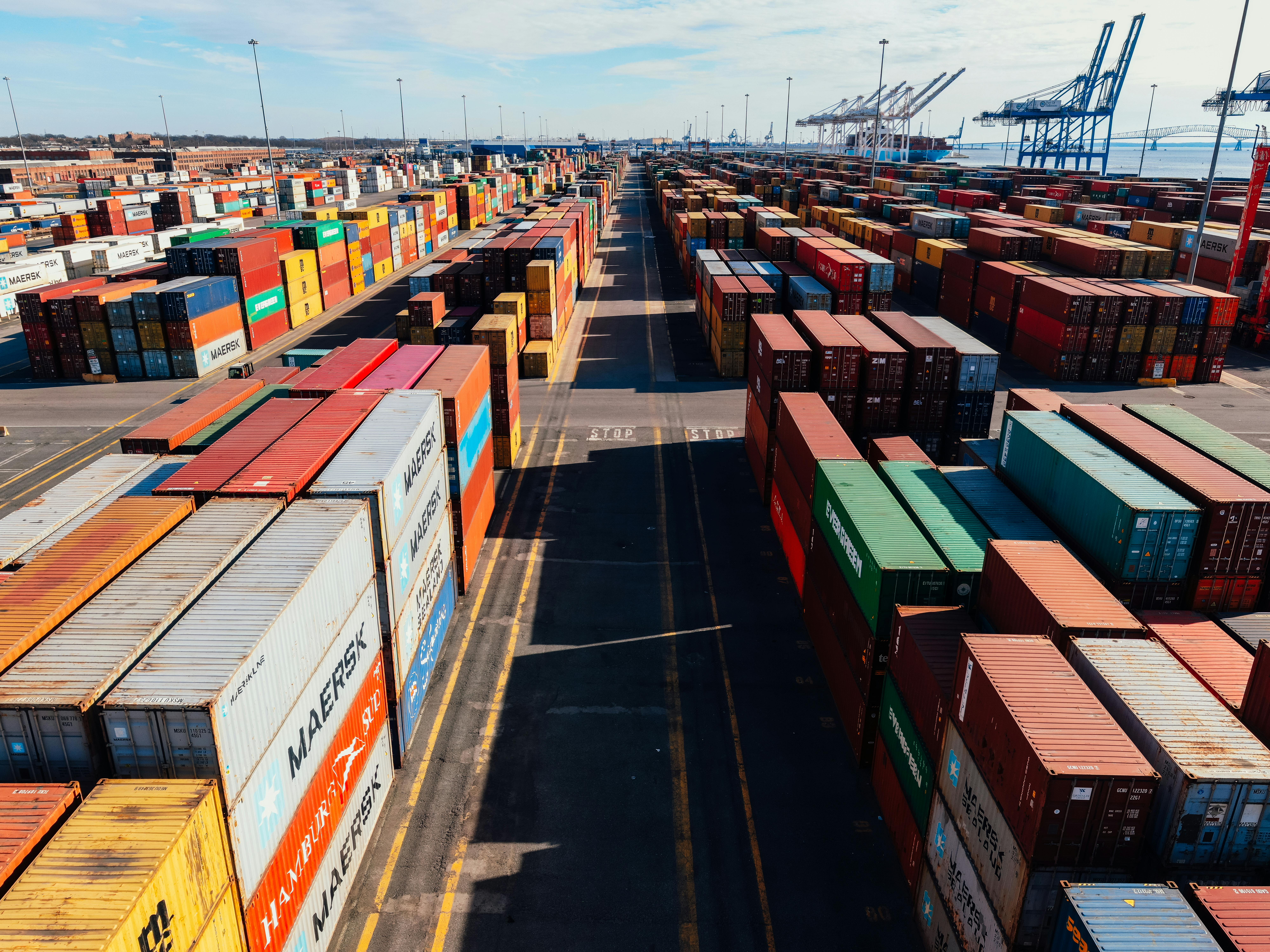
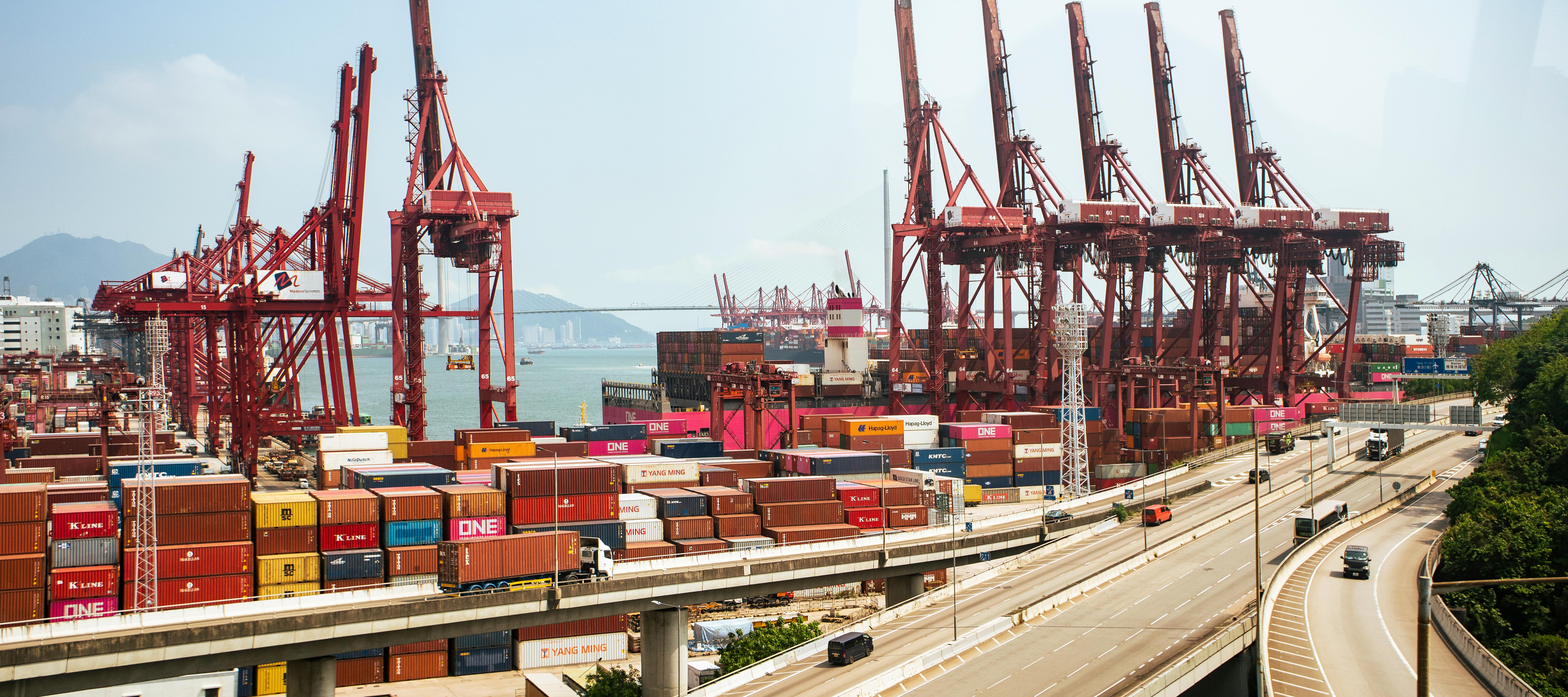
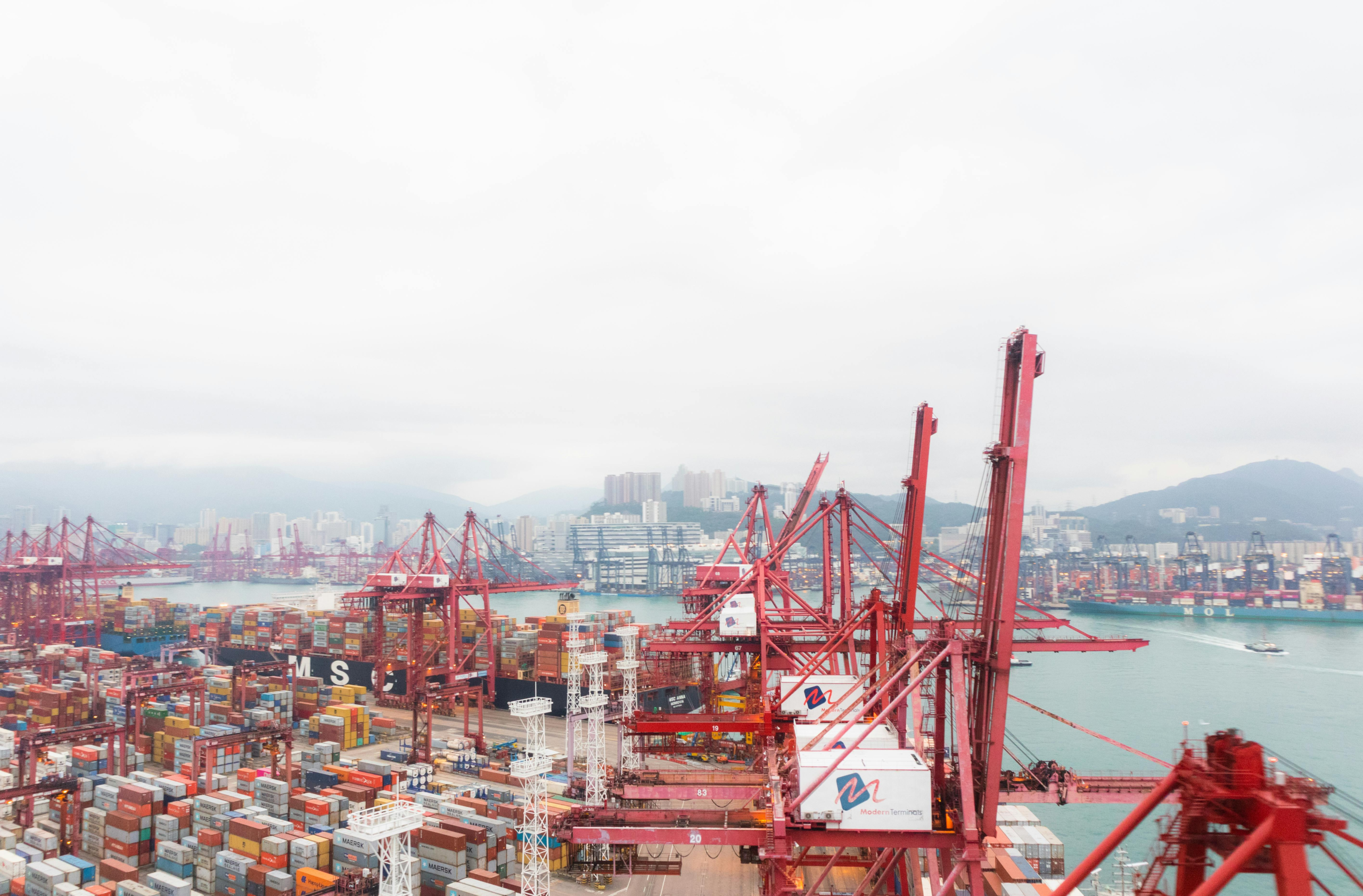
• Specialized Infrastructure: Features robust port structures with specialized terminals, large-scale cranes, berthing docks, and storage areas to support the complexity of loading and unloading operations.
Dry Port (EADI): The Inland Customs Extension
In contrast, a Dry Port, or Inland Customs Station (EADI), is a bonded terminal located outside the port zone, generally in strategic regions inland, forming a "secondary zone." Its creation and operation aim to decentralize and streamline customs processes, bringing them closer to production and consumption centers. Key features include:
• Inland Location: Distant from the coast but strategically positioned near industrial and logistical hubs, facilitating cargo distribution and collection.
• Customs Clearance: Acts as a site for import and export customs clearance, with the presence of the Federal Revenue Service, allowing bureaucracy to be handled away from congested seaports.
• Storage and Logistics: Offers cargo storage services, physical and document inspection, weighing, and goods release, functioning as a complete logistics hub.
• Congestion Reduction: By absorbing part of the customs workflow and storage needs, it contributes significantly to reducing congestion at seaports, optimizing cargo release times.
• Intermodal Connectivity: Generally connected by roads and railways, it allows for efficient integration with land transport, facilitating the transit of goods between the seaport and the country's interior.
Synergy and Advantages: How Seaports and Dry Ports Work Together
The relationship between seaports and dry ports is one of complementarity. The dry port acts as a "lung" for the seaport, absorbing part of the customs and storage operations, which prevents the primary zone from becoming gridlocked by excess cargo awaiting processing. This synergy generates several advantages:
• Reduction of Logistical Costs: Storage at dry ports is often more economical than at seaports. Furthermore, it allows more time for fiscal regularization and cargo release, avoiding fines and demurrage costs. Strategic location also reduces fuel and transportation expenses.
• Agility in Customs Clearance: Decentralizing the goods release process to the interior relieves the burden on seaports, resulting in faster processes, shorter queues, and greater timeline predictability.
• Special Customs Regimes: Dry ports allow for the use of regimes such as the Certified Bonded Warehouse (DAC), which enables the storage of goods destined for export with tax suspension until final shipment. This offers flexibility and financial advantages to exporters.
• Proximity to Production and Consumption Centers: The inland location of EADIs facilitates "last mile" logistics or initial cargo collection, bringing the supply chain closer to points of origin and destination.
• Security and Control: The presence of the Federal Revenue Service and specialized infrastructure ensure greater security and control over goods, minimizing risks of loss or damage.
Conclusion
Seaports and dry ports, while distinct in nature and location, are interdependent and vital pieces of the machinery of Brazilian foreign trade. While seaports are the gateways for the global flow of goods, dry ports act as logistical and customs support hubs inland, optimizing processes, reducing costs, and decongesting port zones. Understanding their functions and leveraging their synergies are essential for companies seeking efficiency and competitiveness in the international trade landscape.
Avoid mistakes when importing!
Having a specialized import consultancy can save you from many future risks. See what Genco Import & Export can do for you:
- Sourcing your product to find the best value for your product.
- Simulating all costs before you embark on this journey.
- Negotiating values with suppliers, freight forwarders, and customs brokers.
- Unifying all documents. Less headache for you!
- Closing the exchange rate for your process.
- Conducting inspections and issuing complete reports for your follow-up.
And much more!
Count on Genco for the best advisory for your imports.
Contact us and learn more about our services!