
 English
  Português do Brasil
 In contemporary logistics management, choosing a transport vehicle transcends mere analysis of brand or engine power. It is a strategic, multidimensional decision that directly impacts cost structure, customer service levels, operational safety, and business sustainability. The alignment between equipment and operational typology defines the line between competitive efficiency and financial waste.
This article explores the primary truck configurations available in the market, detailing their technical capabilities and ideal applications, so fleet managers and logistics professionals can make decisions based on data and productivity.
Urban Cargo Vehicle (VUC): The Intelligence of the "Last Mile"
The Urban Cargo Vehicle (VUC) has established itself as the primary solution for the challenges of urban logistics. Designed to circulate in restricted zones where large trucks are prohibited, the VUC is the protagonist of "last mile" deliveries. Its compact dimensions allow for agility in dense traffic and ease of loading and unloading maneuvers in commercial centers.
The VUC's main advantage lies in its regulatory versatility. In metropolises like São Paulo, the VUC is defined by specific width and length limits, allowing operations to maintain a constant flow of goods without violating urban circulation regulations. It is the ideal vehicle for e-commerce, perishable food distribution, and convenience services.
Toco" and "Truck: The Balance Between Distribution and Robustness
For operations requiring a higher load capacity than a VUC but still needing flexibility for regional routes, the Toco and Truck models are the most common choices. The fundamental distinction between them lies in the number of axles and, consequently, the traction capacity and weight limit supported.
| Truck Type | Axle Configuration | Gross Vehicle Weight (GVW) | Primary Application |
| Toco (Medium-Duty) | 2 axles (single) | Up to 16 tons | Regional distribution and LTL (Less-than-Truckload). |
| Truck (Heavy-Duty) | 3 axles (tandem) | Up to 23 tons | Industrial transport and construction. |
The Toco truck stands out for its lower operational cost, especially regarding tolls and fuel consumption on short routes. Meanwhile, the Truck, with its third axle, offers greater stability and the capacity to transport denser, heavier materials, being widely used for moving manufactured products between industries and distribution centers.
Semi-Trailers (Carretas): The Engine of Long Distances
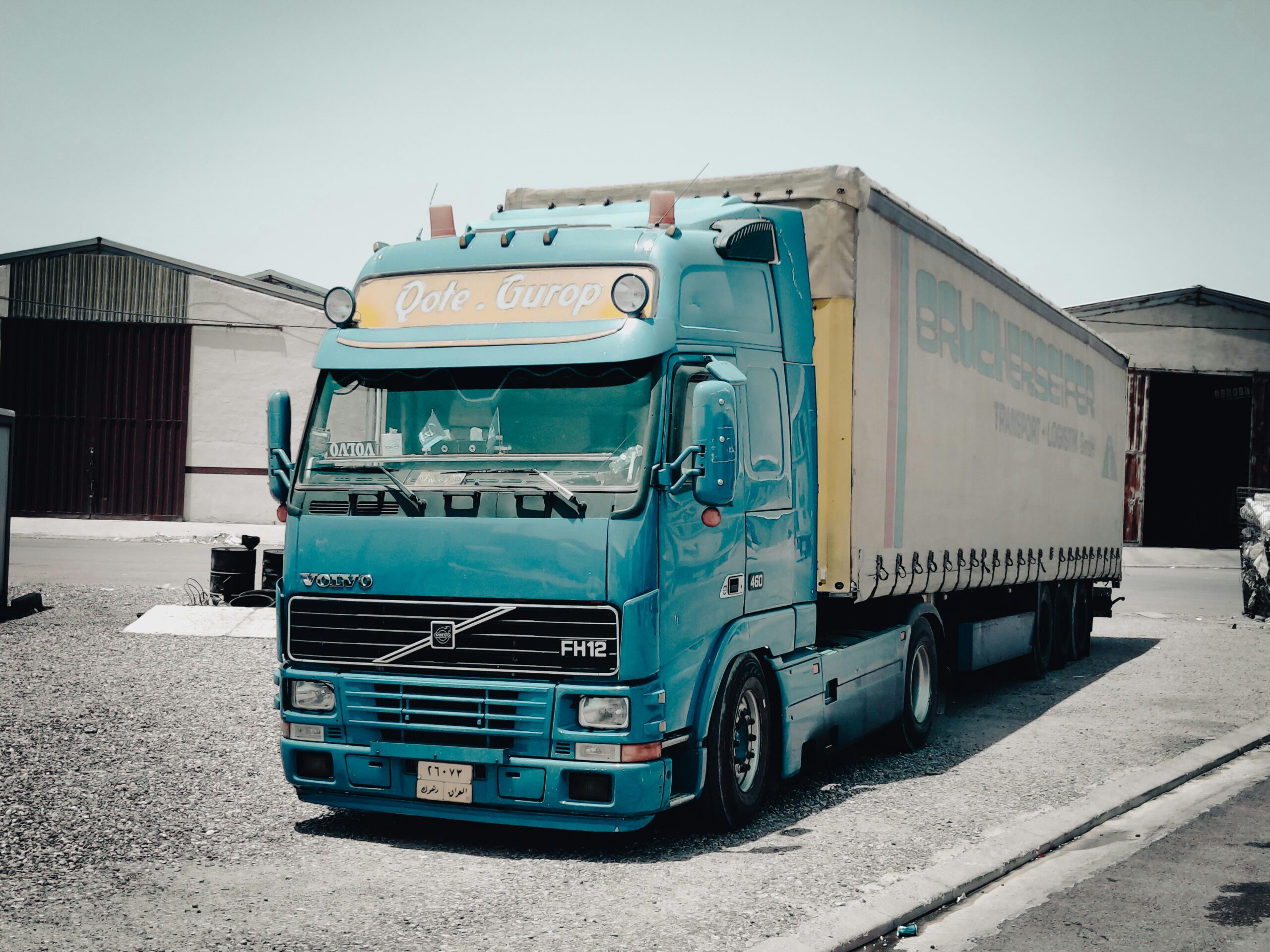
Semi-trailers represent the backbone of long-distance road transport. Unlike rigid trucks, a semi-trailer consists of a tractor unit (mechanical horse) and one or more semi-trailers. This configuration allows for high volume scalability, making it essential for transporting large batches of general cargo, bagged grains, or containers.
The efficiency of a semi-trailer is measured by the cost per kilometer. Due to its high payload capacity (which can reach 25 tons of net load in 3-axle models), the fixed cost of the trip is diluted over a larger quantity of goods, resulting in more competitive freight rates for interstate routes. However, its operation is limited in urban areas due to its large turning radius and tonnage restrictions.
Bitrem and Rodotrem: Giants of Productivity and Agribusiness
At the top of the logistics productivity chain are the Cargo Vehicle Combinations (CVC), such as the Bitrem and Rodotrem. These vehicles are designed for transporting solid and liquid bulk on fixed, high-scale routes, and are fundamental to the competitiveness of Brazilian agribusiness.
It is important to note that the circulation of these giants is strictly regulated by the National Transit Council (CONTRAN). The Rodotrem, for example, requires a Special Traffic Authorization (AET) and can only travel on approved roads, given its complexity in maneuvering and its impact on asphalt paving.
Determining Factors for Equipment Selection
To select the ideal truck, managers must analyze three fundamental pillars that balance the operational scale:
• Nature of the Cargo: Voluminous and light cargo (such as snacks or packaging) demands cubic space, favoring box trailers. Dense and heavy cargo (such as ore or steel) requires multi-axle configurations for weight distribution.
• Route Geography: Operations involving deliveries in historic centers require VUCs. Harvest outflow routes on flat, well-marked highways are the natural habitat of "rodotrens."
• Total Cost of Ownership (TCO): Beyond the acquisition price, one must consider fuel consumption, tire lifespan, maintenance frequency, and the equipment's resale value.
Conclusion: The Strategy Behind the Chassis
Ultimately, there is no absolute "best truck," but rather the right truck for a specific operation. Choosing the correct equipment not only reduces immediate operational costs but also acts as a competitive differentiator, ensuring that the delivery promise to the customer is met with safety and efficiency.
Avoid mistakes when importing!
Having a specialized import consultancy can save you from many future risks. See what Genco Import & Export can do for you:
- Sourcing your product to find the best value for your product.
- Simulating all costs before you embark on this journey.
- Negotiating values with suppliers, freight forwarders, and customs brokers.
- Unifying all documents. Less headache for you!
- Closing the exchange rate for your process.
- Conducting inspections and issuing complete reports for your follow-up.
And much more!
Count on Genco for the best advisory for your imports.
Contact us and learn more about our services!