
 English
  Português do Brasil
 Brazil is globally recognized as an agribusiness powerhouse. As a leader in the production and export of various commodities, the country holds a strategic position in international trade. Even so, many producers and companies in the sector fail to seize foreign market opportunities whether due to a lack of information, poor planning, or doubts regarding logistics.
Entering the export market can be a highly profitable decision. Contrary to what many imagine, choosing the right logistics is not complex when there is proper planning and specialized partners. Throughout this article, you will understand how the export market works, why Brazilian agribusiness has so much potential, and how logistics can be the competitive differentiator to reach new countries.
What the export market is and why It is strategic
The export market involves selling goods and services from one country to another. For companies, the primary goal of this strategy is to diversify markets, reduce dependence on domestic consumption, and minimize economic risks.
Operating in different countries acts as a natural hedge against local economic fluctuations. When one market faces difficulties, another may be growing. Additionally, the appreciation of strong currencies, such as the US dollar, makes exports even more attractive for Brazilian companies, expanding margins and competitiveness.
Exporting isn't just selling abroad: it’s growing sustainably and strategically.
What brazil exports: the dominance of agribusiness
When discussing Brazilian exports, agribusiness takes center stage. The country is a global benchmark for products such as:
• Soybeans;
• Corn;
• Coffee;
• Cellulose;
• Beef and Poultry;
• Fruits and diverse agricultural products.
Beyond "agro," products like petroleum and iron ore also stand out. Recent data shows that Brazilian exports have been breaking records, reinforcing the momentum of foreign trade and Brazil's strength as a global supplier.
International market research and new opportunities
International market studies indicate that the potential of Brazilian agribusiness goes far beyond traditional markets. Countries previously considered secondary are increasing their imports of Brazilian agricultural products, opening doors for new business.
Brazil already exports agricultural products to over 150 markets, and the sector represents a significant portion of national exports. This demonstrates that there is demand, opportunity, and room for growth—even for small and medium producers wishing to internationalize their operations.
The question, therefore, is no longer "why export?" but rather "how to export the right way?"
How to enter the export market
There is no single formula for entering the export market. Every product, destination, and operation requires specific steps that vary according to the importing country and its sanitary, regulatory, and commercial requirements.
In general, it is necessary to:
• Have a legally constituted company;
• Conduct feasibility and market studies;
• Understand the legislation of the destination country;
• Organize the required documentation;
• Plan international logistics.
Agribusiness products, such as timber, grains, or meat, require additional care regarding certifications, packaging, quality control, and traceability. This is exactly where logistics becomes decisive.
Brazilian agribusiness and logistic challenges
Brazil is one of the world’s largest agricultural exporters, but it also faces significant logistical challenges. Transportation, storage, cargo control, inspections, and the choice of the appropriate modal directly impact costs, deadlines, and operational security.
Depending on the product, factors to consider include:
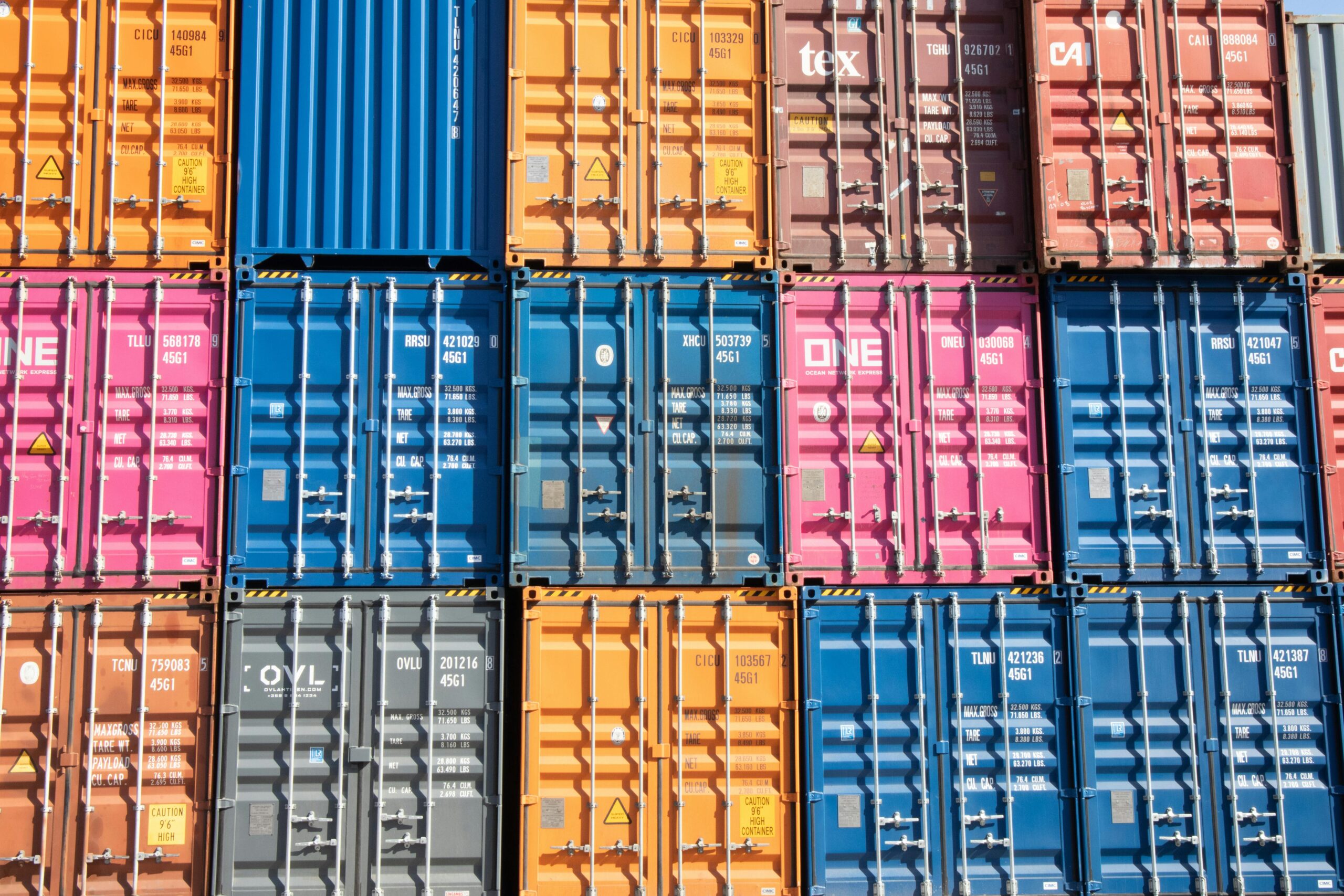
• Correct use of containers;
• Storage conditions and temperature control;
• Packaging suited for international transport;
• Cargo monitoring;
• Compliance with the importing country's standards.
Despite the complexity, these challenges can be easily overcome with planning and specialized support.
The right logistics as a competitive advantage
Choosing the appropriate logistical modal (maritime, road, rail, or air) is one of the most strategic decisions in exporting. Well-planned logistics reduces costs, prevents delays, ensures legal compliance, and increases the trust of the international buyer.
Companies specializing in international logistics offer end-to-end support—from planning to final delivery allowing the producer to focus on what they do best: producing with quality and scale.
Exporting doesn't have to be complicated. With information, strategy, and proper logistics, Brazilian agribusiness continues to advance and conquer markets around the world.
Avoid mistakes when importing!
Having a specialized import consultancy can save you from many future risks. See what Genco Import & Export can do for you:
- Sourcing your product to find the best value for your product.
- Simulating all costs before you embark on this journey.
- Negotiating values with suppliers, freight forwarders, and customs brokers.
- Unifying all documents. Less headache for you!
- Closing the exchange rate for your process.
- Conducting inspections and issuing complete reports for your follow-up.
And much more!
Count on Genco for the best advisory for your imports.
Contact us and learn more about our services!