 English
  Português do Brasil
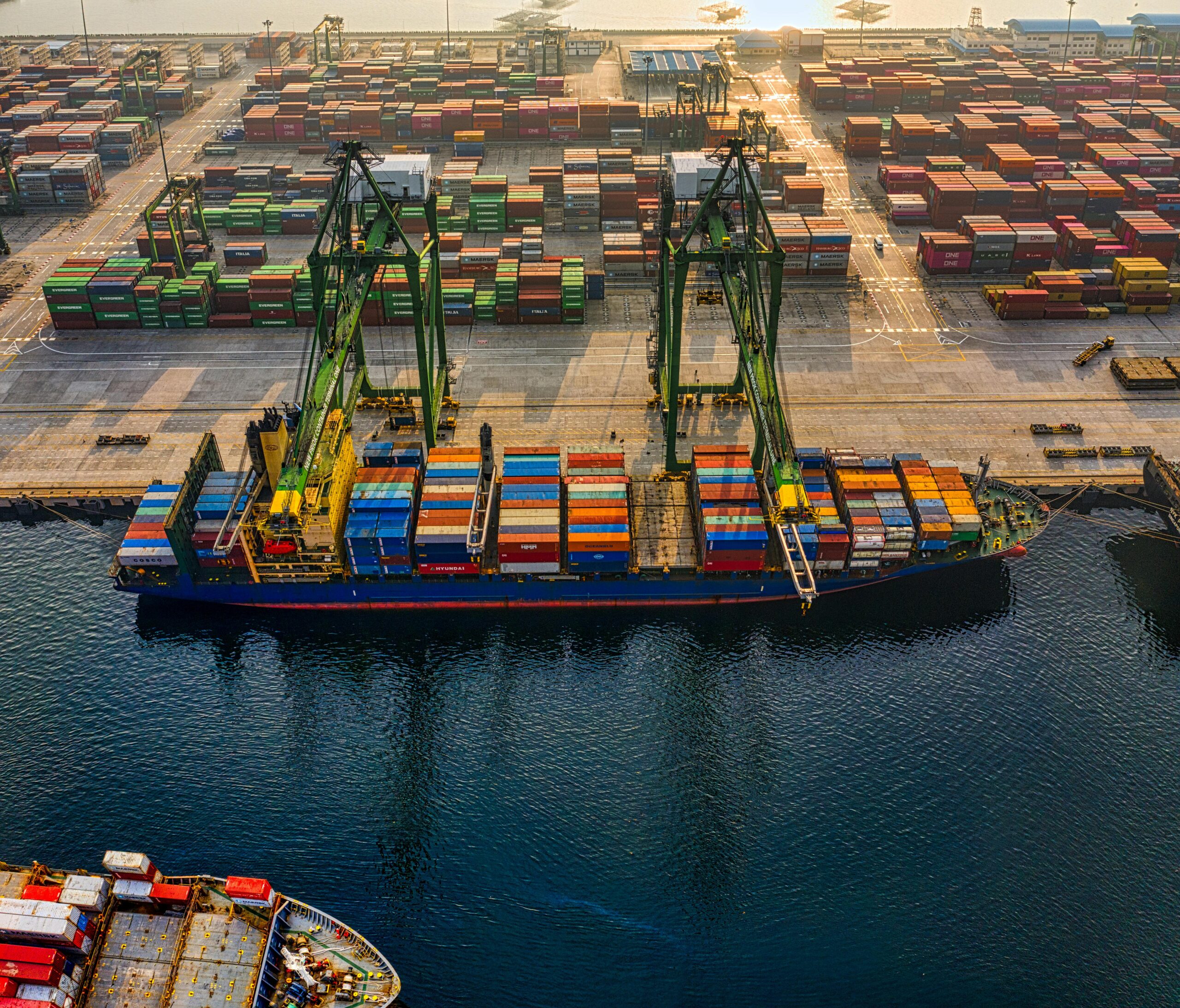
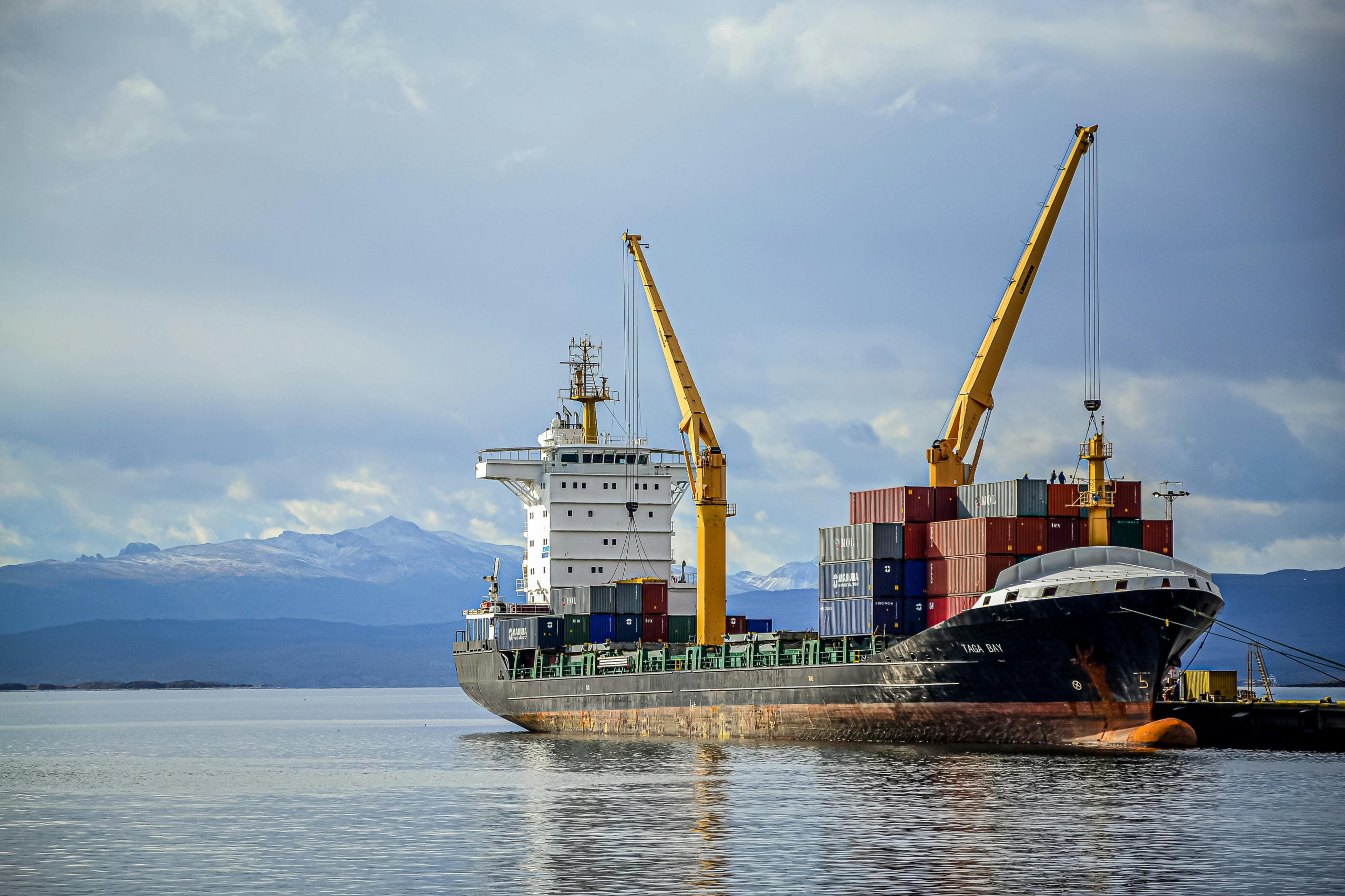
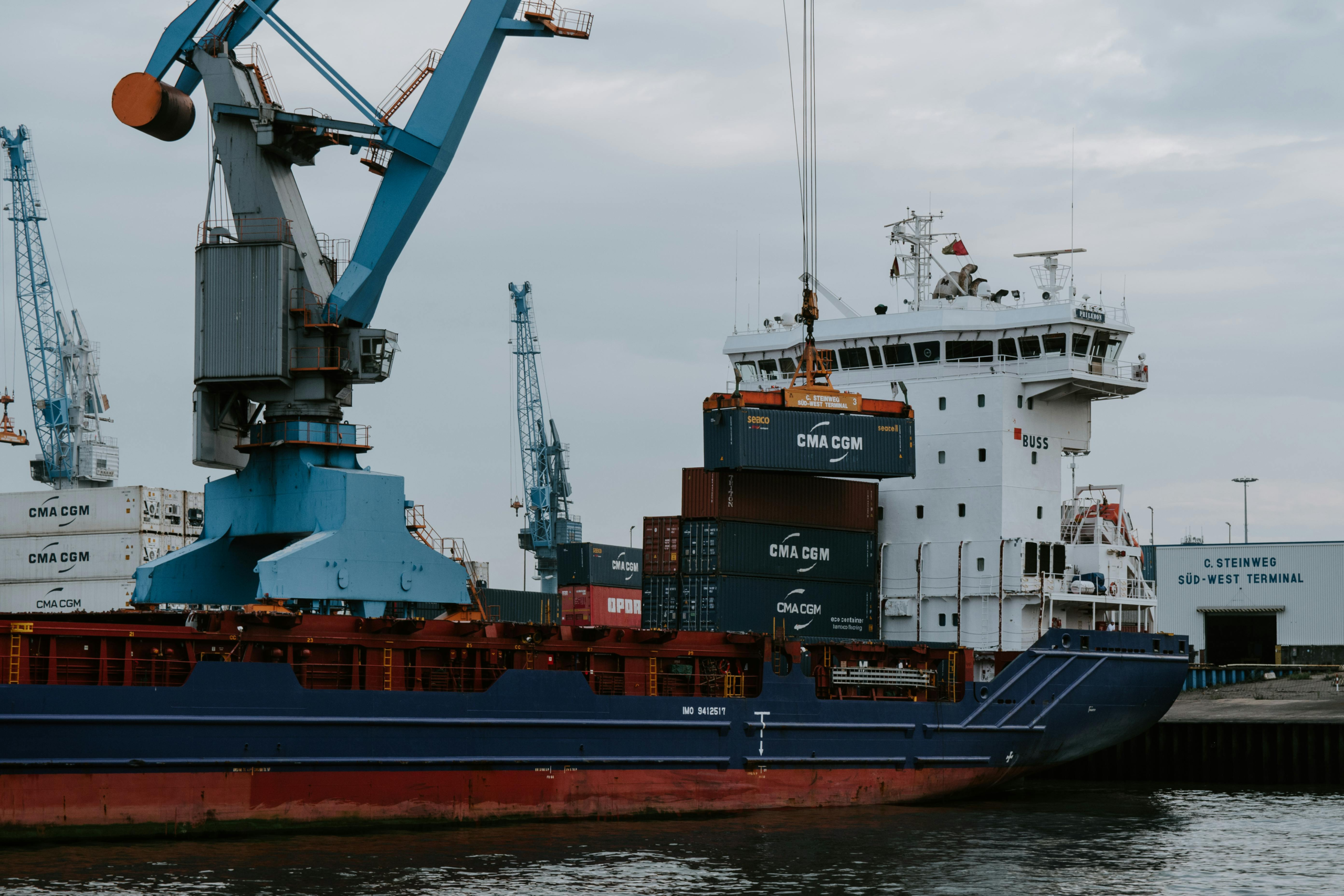
 When we think of a port, the image that often comes to mind is that of imposing ships docking and setting sail. However, the reality of ports is infinitely more complex and fascinating. A modern port is an intricate logistical gear that demands meticulous planning, robust infrastructure, multimodal integration, rigorous customs control, environmental management, and impeccable operational coordination. They are true pillars of the economy, connecting Brazil to global trade.
Let’s explore some of the main Brazilian ports and understand their particularities and contributions:
Port of Santos: The Giant of Latin America
The Port of Santos, located on the coast of São Paulo, is the largest in Latin America in terms of cargo handling and a notable example of a multimodal logistical hub. Its diversified infrastructure allows for the operation of different types of goods:
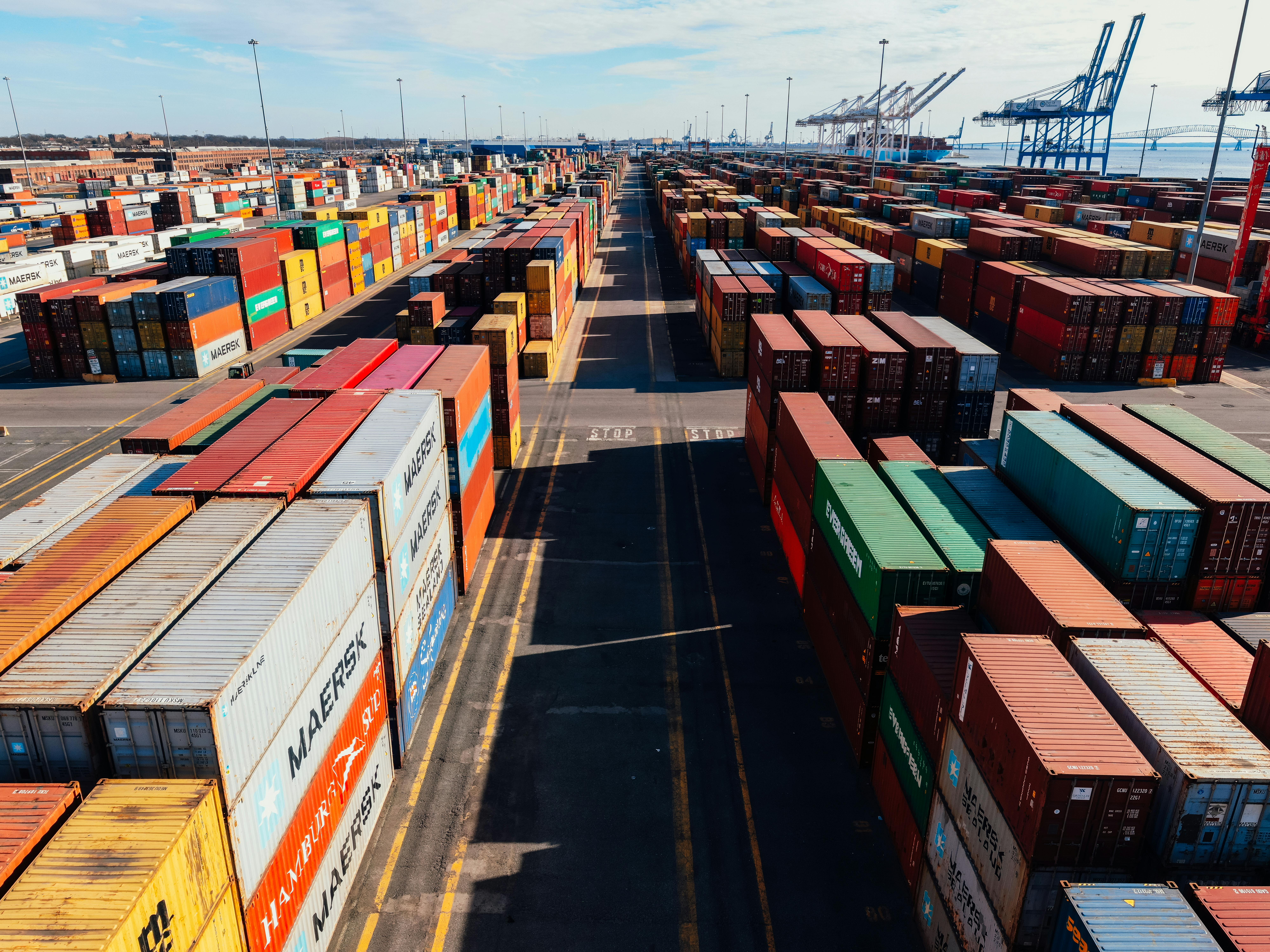
• Terminals specialized in containers: Essential for transporting manufactured products and diverse cargo.
• Structures dedicated to solid bulks: Such as soy and sugar, which are fundamental to Brazilian agribusiness.
• Liquid bulk terminals: For handling fuels and other chemical products.
• Strong railway connection: Integrating the port with the interior of São Paulo and the Central-West regions of the country, optimizing the flow of goods.
The success of Santos lies in its scale and efficiency. It operates with a high level of mechanization, yards organized by cargo type, and advanced digital systems that monitor cargo flow from the ship's arrival to final shipment, ensuring agility and predictability.
Port of Paranaguá: The Heart of Agribusiness
The Port of Paranaguá, in Paraná, is an unquestionable reference in grains. Its dynamics are intrinsically linked to agribusiness, serving as a strategic point for exporting Brazilian agricultural production. The port's operation is optimized for handling large volumes through:
• High-capacity conveyor belts: Speeding up unloading and loading.
• Storage silos: Ensuring the proper stockpiling of products.
• Rapid loading operations for bulk carriers: Crucial for meeting global demand.
The great challenge in Paranaguá is the perfect synchronization between the harvest, land transport, and the ship's docking window. Any failure in this coordination can result in high logistical costs, directly impacting the competitiveness of Brazilian products in the international market.
Port of Rio Grande: The Gateway to Mercosul
With a strategic role for Mercosul, the Port of Rio Grande, in Rio Grande do Sul, handles a variety of cargo, including grains, fertilizers, and containers. It functions both as an exit point for production from Southern Brazil and as a gateway for essential agricultural inputs. Logistics at this port are significantly influenced by weather conditions and its integration with neighboring countries, making regional coordination a key factor.
Port of Itaguaí: The Iron Ore Giant
The Port of Itaguaí, in Rio de Janeiro, is strongly linked to iron ore. Its operations are designed to handle large volumes of low-value-added cargo per ton, requiring maximum efficiency to maintain global competitiveness. The infrastructure includes:
• Deep-water piers: Capable of receiving large vessels.
• Dedicated conveyor belts: For the continuous transport of ore.
• Continuous loading systems: Optimizing operational time.
Port of Suape: The Integrated Industrial and Port Complex
Located in Pernambuco, the Port of Suape is an example of an integrated industrial and port complex. Here, operations go far beyond the quayside, connecting:
• Industries installed in the back area: Where cargo can be processed before continuing its journey.
• Fuel terminals: For supply and distribution.
• Container operations: For diverse cargo.
Suape is a model of a port-industry, where the proximity between production and export optimizes the logistical chain and adds value to products.
What Do They All Have in Common?
Despite their differences and specializations, these ports share essential characteristics that make them vital to the Brazilian economy:
• Specialization by cargo type: Each port stands out in handling specific goods, optimizing its processes.
• Strong integration with land modes: Highways and railways are crucial for connecting ports to the interior of the country.
• Increasingly digitized operations: Technology is employed for control, monitoring, and flow optimization.
• Permanent need for investment: In dredging and infrastructure to maintain capacity and competitiveness.
Conclusion
In short, an efficient port is not just one that receives the largest number of ships. It's one that manages to reduce waiting times, optimize cargo flow, and deliver predictability to its users. For professionals working with contracts, offshore logistics, or complex industrial chains, understanding the detailed functioning of these ports is fundamental to understanding a crucial part of Brazil's real economy.
Avoid mistakes when importing!
Having a specialized import consultancy can save you from many future risks. See what Genco Import & Export can do for you:
- Sourcing your product to find the best value for your product.
- Simulating all costs before you embark on this journey.
- Negotiating values with suppliers, freight forwarders, and customs brokers.
- Unifying all documents. Less headache for you!
- Closing the exchange rate for your process.
- Conducting inspections and issuing complete reports for your follow-up.
And much more!
Count on Genco for the best advisory for your imports.
Contact us and learn more about our services!