 English
  Português do Brasil
 When we think of global trade, it is easy to imagine an infinite, decentralized network of ships crossing the oceans freely. However, the reality of international logistics is much more constricted. More than 80% of the volume of all world trade is transported by sea. A large part of these global operations depends on a few extremely strategic points true logistical bottlenecks (or chokepoints) that connect continents and move billions of dollars every day.
These points are not just transit routes; they are decisive for deadlines, costs, and predictability in foreign trade operations. Any instability, congestion, or restriction in these regions directly impacts global logistics chains, creating a domino effect that affects everything from freight prices to inflation in supermarkets.
Below, we detail the five main maritime corridors that dictate the rhythm of the global economy and the recent challenges each one faces.
Panama Canal: The bridge between two oceans
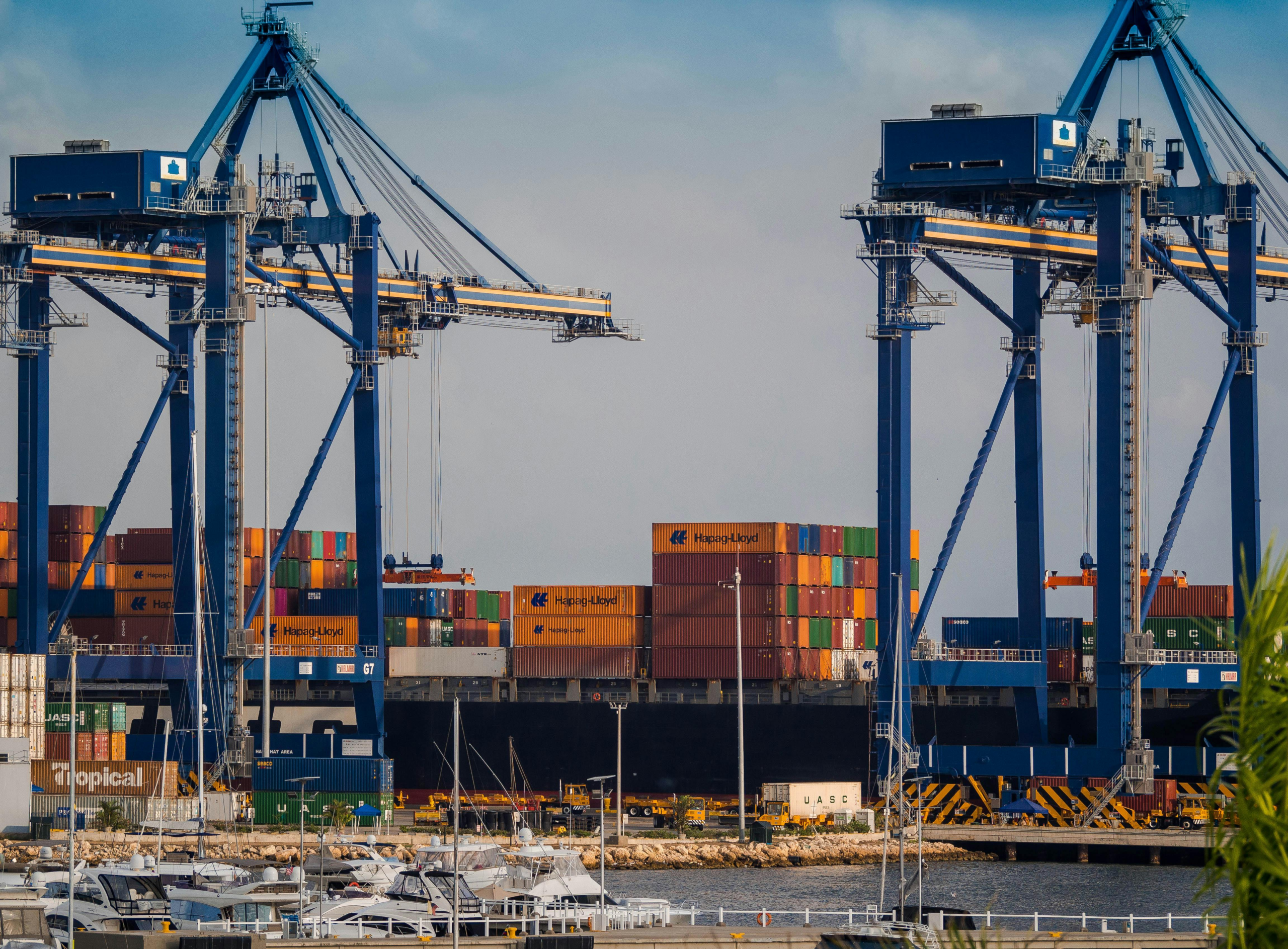
The Panama Canal is an engineering marvel and an essential link between the Atlantic and Pacific oceans. By allowing ships to avoid the long and dangerous route around Cape Horn at the southern tip of South America, the canal drastically reduces transit time and logistics costs, especially for routes between Asia and the East Coast of the Americas.
Recently, the Panama Canal has faced severe challenges due to climate change. Historic droughts have reduced the water levels of the lakes that feed the canal’s locks, forcing authorities to limit ship drafts and the number of daily transits. According to data from the United Nations Conference on Trade and Development (UNCTAD), these restrictions increased sailing distances by up to 31% for affected routes, significantly driving up freight costs.
Suez Canal: The shortcut between Europe and Asia
Opened in the 19th century, the Suez Canal is one of the world's most important corridors, connecting the Mediterranean Sea to the Red Sea. It offers the shortest maritime route between Europe and the lands bordering the Indian and Western Pacific oceans. It is a vital artery for the transport of consumer goods, industrial components, and energy.
In recent years, the Suez Canal has proven highly vulnerable to geopolitical tensions. Recent conflicts in the Red Sea region caused ship transit through the canal to plummet. By mid-2024, the tonnage crossing the Suez Canal had dropped by approximately 70%, forcing vessels to divert around the Cape of Good Hope in Africa. This detour increased travel time by weeks and led to an 89% increase in ship arrivals on the African route, drastically raising fuel costs, insurance premiums, and carbon emissions.
Strait of Hormuz: The world’s energy artery
Located between the Persian Gulf and the Gulf of Oman, the Strait of Hormuz is arguably the most critical route for global oil transport. About 20% of all oil consumed on the planet passes through this narrow channel.
Unlike the artificial Suez and Panama canals, the challenge in Hormuz is strictly geopolitical. The region is a point of constant tension between Middle Eastern and Western powers. Any threat of closure or military instability in this strait has the immediate power to send global energy prices skyrocketing, affecting the economy of virtually every country on the globe.
Strait of Malacca: Asia’s engine
The Strait of Malacca, situated between the Malay Peninsula and the Indonesian island of Sumatra, is one of the busiest maritime corridors on the planet. It is the main shipping route between the Indian Ocean and the Pacific Ocean, linking major Asian economies such as China, Japan, and South Korea to the Middle East and Europe.
Being a relatively narrow and shallow natural channel in some areas, the Strait of Malacca faces constant risks of congestion, piracy, and maritime accidents. Asian dependence on this route is so great that the security and fluidity of the Strait of Malacca are considered matters of national security for several powers in the region.
Strait of Gibraltar: The gateway to the Mediterranean
The Strait of Gibraltar is the only natural passage between the Atlantic Ocean and the Mediterranean Sea, separating Europe (Spain) from Africa (Morocco). It is the mandatory gateway for all ships coming from the Americas or Northern Europe bound for ports in Southern Europe, North Africa, and eventually the Suez Canal.
Its strategic importance is immense, serving not only as a vital trade route but also as a point of military and immigration control. The density of traffic in the region requires rigorous maritime coordination to avoid collisions and environmental disasters.
Summary of Major Global Logistics Bottlenecks
| Logistics Bottleneck | Location | Primary Importance | Recent Challenge |
| Panama Canal | Central America | Connects Atlantic and Pacific | Severe droughts limiting ship transit |
| Suez Canal | Egypt | Shortest route between Europe and Asia | Geopolitical tensions and route diversions |
| Strait of Hormuz | Middle East | Outflow of 20% of global oil | Conflicts and military instability |
| Strait of Malacca | Southeast Asia | Connects Indian and Pacific (Asia focus) | Congestion and maritime security |
| Strait of Gibraltar | Europe / Africa | Gateway to the Mediterranean | High maritime traffic density |
The Economic Impact of Disruptions
When these bottlenecks suffer disruptions, the financial impact is immediate and severe. Studies indicate that direct interruptions at these critical points generate estimated annual economic losses of US$ 10.7 billion.
Furthermore, the need to reroute paths—such as the diversion from the Suez Canal to the Cape of Good Hope—has caused maritime freight rates to soar. In 2024, global container freight indices more than doubled, driven by longer distances, higher fuel consumption, and elevated insurance premiums. UNCTAD projects that if these costs persist, global consumer inflation could see an increase of 0.6% by 2025 solely due to transport costs.
Conclusion
These points are not just routes on a map; they are the beating heart of the global economy. Any instability, congestion, or restriction in these regions directly impacts global logistics chains.
This is precisely why strategic planning and the choice of reliable logistics partners make all the difference. Companies that monitor these routes, diversify their modes of transport, and have contingency plans in place can mitigate risks and avoid million-dollar delays. In practice, understanding the geography and geopolitics of these routes is more than just general knowledge—it is a competitive advantage.
Avoid mistakes when importing!
Having a specialized import consultancy can save you from many future risks. See what Genco Import & Export can do for you:
- Sourcing your product to find the best value for your product.
- Simulating all costs before you embark on this journey.
- Negotiating values with suppliers, freight forwarders, and customs brokers.
- Unifying all documents. Less headache for you!
- Closing the exchange rate for your process.
- Conducting inspections and issuing complete reports for your follow-up.
And much more!
Count on Genco for the best advisory for your imports.
Contact us and learn more about our services!